

Challenges and Solutions for Attracting Foreign Tourists to Iran in the Current Situation
 Shahram Azimi
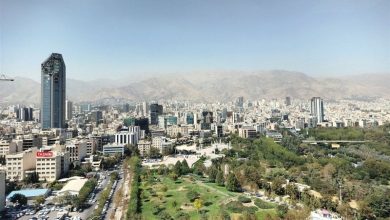
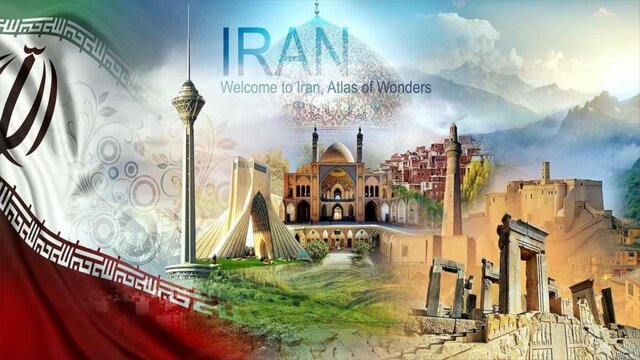
According to the Sedaye Sama news outlet, Iran — with its ancient history and civilization — possesses unique cultural, natural, and historical attractions that make it one of the world’s major potential tourist destinations. From the splendid palaces of the Achaemenid era to the Islamic architecture of Isfahan’s mosques, from the desert landscapes of Yazd to the dense forests in the north, every corner of this land harbors exceptional capacity to attract foreign visitors. Yet in recent years, despite such capabilities, Iran’s share of the global tourism market has remained minimal. An examination of this situation reveals that a set of political, economic, structural, and cultural challenges has hindered the full realization of these capacities.
One of the most important barriers to inbound tourism is the distorted mental image created by global media about the country. Media representations tend to frame Iran primarily through political and security-related news, paying little attention to its cultural and social reality. As a result, many potential tourists interested in exploring Iran’s history and culture forgo travel due to mental concerns. In other words, Iran suffers less from a shortage of attractions than from a weakness in presenting its true image to the world.
Another deterrent factor is the financial and banking difficulties caused by sanctions. Foreign tourists in Iran, owing to limited access to international cards (such as Visa or MasterCard), face serious challenges in settling payments. This issue constitutes a major obstacle in the era of digital tourism, where online payments are an integral part of the travel experience. In addition, the lack of adequate infrastructure in transportation, insufficient direct flights from target countries, weak multilingual information at tourist sites, and lack of standardized services in some accommodations, all contribute to making the travel experience difficult for foreign visitors. These issues, coupled with complexity in visa-issuance procedures for certain countries, have resulted in Iran ranking lower than regional competitors such as Turkey, Georgia or the UAE in terms of attracting foreign tourists.
Despite these challenges, there are effective and practical solutions available to strengthen Iran’s appeal to international visitors. The first step is improving the country’s international image through cultural and tourism diplomacy. Iran can leverage its embassies, organize cultural festivals and art exhibitions abroad, to present a more authentic face of Iranian society to the world. Furthermore, using modern media, collaborating with travel influencers, and producing multilingual content on platforms like YouTube and Instagram, can play a key role in shifting global perceptions of Iran.
Economically, issuing special credit cards for tourists or deploying international or crypto-based payment systems can alleviate some financial issues. The experience of neighboring countries has shown that easing payments is a key factor in increasing tourist arrivals. On another front, developing an e-visa system and expanding the possibility of visa-on-arrival for citizens of various countries are among measures that can streamline and facilitate tourist entry.
Attention to human resource training is also of great importance. Tour guides, hotel staff, and taxi drivers are in direct contact with foreign visitors, and their behavior and awareness directly affect the travelers’ mental image of Iran. Therefore, conducting training programs to enhance communication and language skills is a necessity for the tourism sector. Likewise, upgrading the quality of accommodation services and establishing eco-lodging (“b oomgardi” / rural-ecotourism lodging) that meets international standards provides a richer and safer experience for foreign travelers.
Alongside these structural reforms, addressing the psychological and social safety of visitors should be a priority. A sense of security is the most important factor in choosing a travel destination. Establishing tourist-police units, providing transparent information at the country’s entry points, and promptly addressing any issues travelers might face can enhance their trust and satisfaction.
Ultimately, developing tourism in Iran requires a comprehensive and coordinated vision among different institutions. Tourism is not merely an economic activity, but rather a bridge for cultural dialogue, peaceful coexistence of peoples, and the expansion of soft diplomacy. If policymakers are able to properly harness the country’s cultural, historical, and natural capacities while simultaneously resolving existing obstacles through wisdom and planning, Iran could emerge in the coming decade as one of the foremost tourist destinations in the Middle East and the world. In this path, emphasis on modern advertising, digital technology development, international engagement, and private-sector support are key pillars of success.