


Beauty advertisements — the hidden cause of anxiety and depression among teenagers
 Zahra Molaei
In today’s world, beauty is no longer just a natural trait—it has become a commercial commodity and a powerful tool for influencing the human mind. Social media, through its vast and seductive advertising, paints an unrealistic picture of beauty in the minds of millions of teenagers. These images may appear harmless and pleasing, but beneath their surface, they sow seeds of anxiety, body dissatisfaction, and even depression.
The Power of Image and the Crisis of Identity
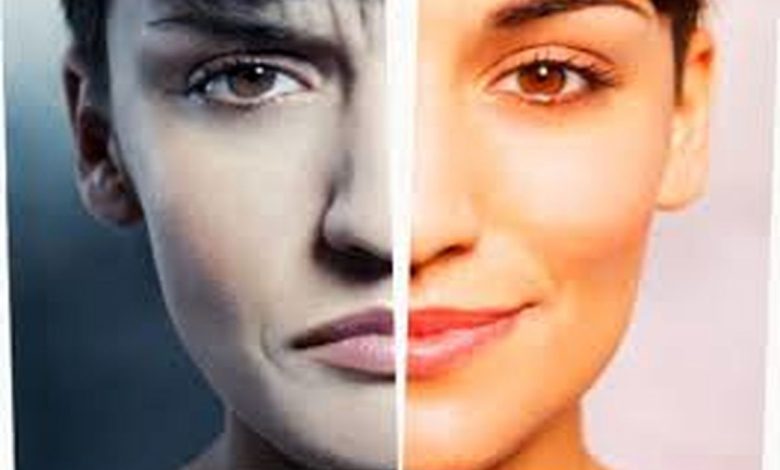
Beauty advertisements, relying on photos and videos often enhanced with filters and editing tools, present unattainable standards of perfection. A teenager searching for identity compares themselves to these images and feels “not enough.” This sense of inadequacy is a key factor behind rising social anxiety and depression among the youth.
Instead of finding beauty in their uniqueness, teenagers chase ideals that don’t exist. This endless comparison creates a silent battle within—a struggle between the “real self” and the “fabricated ideal self.”
Hidden Pressure and Psychological Scars
One of the most dangerous effects of beauty advertising is the constant psychological pressure it creates. Its hidden message implies that only those with flawless faces or specific body shapes are lovable or accepted. As a result, teenagers who don’t fit these standards feel rejected and worthless.
Over time, this leads to low self-esteem and symptoms of depression. The teenager who once entered social media with excitement now finds themselves trapped in a world of comparison and dissatisfaction.
The Role of Media and Social Media Algorithms
Social media algorithms are designed to repeatedly show similar content, trapping teenagers in a cycle of endless comparison. Each new image appears more perfect and less real, deepening their feelings of inadequacy.
This is a subtle form of mental conditioning: the media define beauty standards, teenagers come to believe them, and the beauty industry profits from these beliefs.
Beauty or Deception?
The truth is that many beauty advertisements aim not to boost confidence but to sell. By creating dissatisfaction, they open the door for cosmetic products, plastic surgeries, and editing services to flourish. In this process, teenagers’ mental health becomes the silent casualty of an economic cycle.
Beauty is no longer seen as natural or inner—it has turned into an “obligatory duty” to resemble images that were never real.
The Way Forward
To confront this hidden crisis, media literacy must be taught from an early age. Teenagers need to understand that much of what they see in beauty ads is artificial. Families and teachers should discuss the psychological effects of such media and teach young people that true worth lies in thought, morality, and character—not in a filtered face.
Media outlets also bear a moral responsibility: they should avoid promoting unrealistic standards of beauty and instead celebrate diversity, authenticity, and self-acceptance.
Conclusion
Beauty advertisements on social media may appear harmless, but in reality, they are among the hidden causes of anxiety and depression in the younger generation. Every photo, video, and filter shared today shapes the emotional and mental world of tomorrow’s youth.
The only path to escape this cycle lies in awareness, open conversation, and a return to human values—values that see beauty in honesty, health, and peace, not in an image crafted by software.