


Iranian kiwi has conquered the markets of India and Eurasia
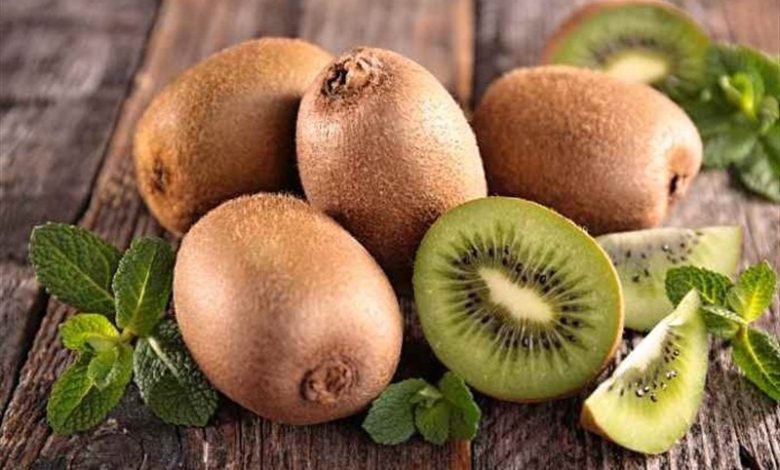
According to the information base of the Ministry of Agriculture Jihad, Maryam Jalili-Moghadam, head of the Plant Protection Organization of Iran, said at a specialized plant medicine meeting in Sari that the import of agricultural pesticides is fully supervised by the organization, and that the agricultural products of the province—especially kiwifruit—are now easily exported to international markets, including India and Eurasian countries, due to compliance with identification requirements and pollutant monitoring.
She stated that the import of agricultural pesticides is completely supervised by the Plant Protection Organization and added that a clear example of the increase in agricultural exports is the rise in kiwifruit exports from Mazandaran to India.
The head of the Plant Protection Organization emphasized that all types of agricultural pesticides are imported with special sensitivity, and their distribution and use are also well monitored.
Explaining that agricultural products must be identifiable and that, in this process, pollutant monitoring is conducted to detect pesticide contamination, she said many agricultural regulations eliminate irregularities in production and export. Today, much of the citrus and kiwi exports from northern Iran are carried out based on orchard identification codes, sorting, and storage standards monitored by target countries.
Jalili-Moghadam stressed that if pests are not controlled in time, no amount of pesticide will be effective; therefore, vigilance and timely action are the most important duties of orchard owners in combating pests and diseases.
According to the Sedaye Sama News Agency, She added that concealing the presence of diseases and pests in agriculture is never acceptable. The key point, she said, is that plant protection training and extension programs are effective only when implemented by farmers in the field.
According to the head of the Plant Protection Organization, export restrictions on Mazandaran’s agricultural products—such as kiwi and citrus—have now been removed, and kiwi is easily exported to Eurasia, India, and China.
She said that after eight years, the National Plant Protection Council was held this year with the participation of relevant ministers, during which changes in the pest list were reviewed.
Jalili-Moghadam noted that monitoring the supply, distribution, and sale of pesticides, preventing smuggling, and stopping off-network distribution are of great importance.
She added that the fifth generation of the fruit fly pest has entered Mazandaran due to climate change, but fortunately, with the efforts of orchardists and officials in the northern region, the pest has been controlled and contained.
The head of the Plant Protection Organization said that due to its vegetation and climate, Mazandaran hosts almost all agricultural pests and diseases. Considering the role of northern Iran in national food security, the health and safety of agricultural products is a red line.
She emphasized that agricultural production in Mazandaran, with compliance to plant protection standards, plays a very significant role in the economy of the province and the country.