

Acceleration in the Construction of Solar Power Plants
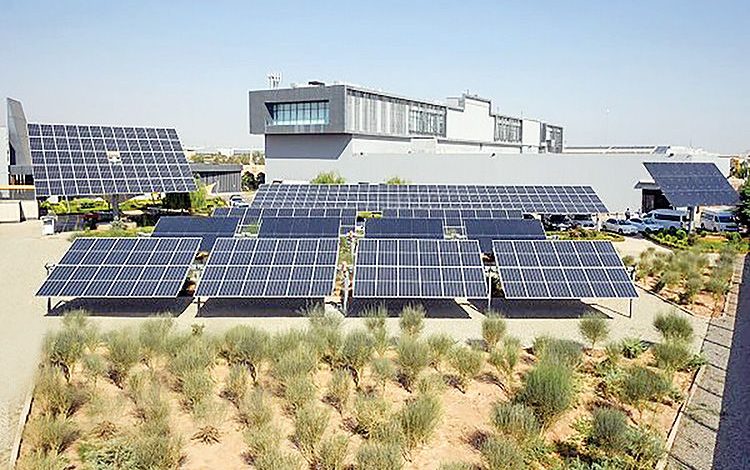
According to the Sedaye Sama News Agency, Abolfazl Shiroudi, project manager for the construction of solar power plants under the “Private Sector Distributed Generation” program of the Renewable Energy Organization (SATBA), stated that investment in this sector has significantly increased in the second half of the year. He noted that the construction of solar power plants is progressing at a remarkable pace thanks to the removal of administrative barriers and the facilitation of land allocation processes. The government, in cooperation with the Ministry of Energy, the Ministry of Industry, Mine and Trade, and the State Land Affairs Organization, has greatly eased the private sector’s entry into clean energy production.
Shiroudi explained that SATBA’s call last December for the construction of solar plants near extra-high-voltage substations and transmission lines received strong interest from private investors. So far, more than 70 individual and corporate investors have expressed readiness to build solar plants with a total capacity exceeding 650 MW. The complete self-financing of these projects demonstrates the growing role of the private sector in reducing the country’s electricity imbalance.
He added that since the beginning of the second half of the year—and in line with the government’s slogan “100 MW per week”—solar projects have been entering the operational phase at a faster pace. Currently, an average of two to three solar plants from this program come online every two weeks, and this trend is expected to accelerate until the end of the year. The target for this year is to reach 400–450 MW of operational capacity from private-sector solar projects, which would set a new record in renewable development with strong private-sector participation.
According to Shiroudi, one of the key steps that facilitated investment was the rapid allocation of land by electricity distribution companies. These lands, already pre-approved with the necessary permits and located near substations and transmission lines, were handed over to investors. After signing agreements with SATBA and determining the construction site, investors can immediately begin studies and implementation. He also noted that one major obstacle—registration of import orders for solar equipment—has been resolved, though the allocation of foreign currency still faces delays. Accelerating this process by the Ministry of Economy and the Central Bank, he said, would significantly boost the pace of solar power plant commissioning.
Shiroudi concluded by emphasizing that expanding private-sector participation in renewable energy not only reduces the country’s electricity production deficit but also helps decrease reliance on fossil fuels in the long term and supports grid stability during the summer of 2027.
Source: Donya-ye-Eghtesad