

Humanoid Robots: The Turning Point in 2025
According to the Sedaye Sama News Agency, The year 2025 can be seen as a milestone in the history of humanoid robots. Several companies introduced commercial or near-commercial versions of humanoid robots this year. While these robots are not yet perfect—they move slowly, have functional limitations, and require controlled environments—they mark the beginning of a new technological category. Just as the first personal computers seemed rudimentary compared to today’s devices, these robots represent the start of a major revolution in automation and artificial intelligence.
Notable examples include FIGURE03 developed by a Silicon Valley startup, capable of basic physical tasks such as lifting, sorting, and simple human interaction. Combined with generative AI, it can understand voice commands, comprehend context, and offer improvisational solutions in unexpected situations. Though limited in speed and accuracy, it is one of the most complete multipurpose humanoid robots on the market.
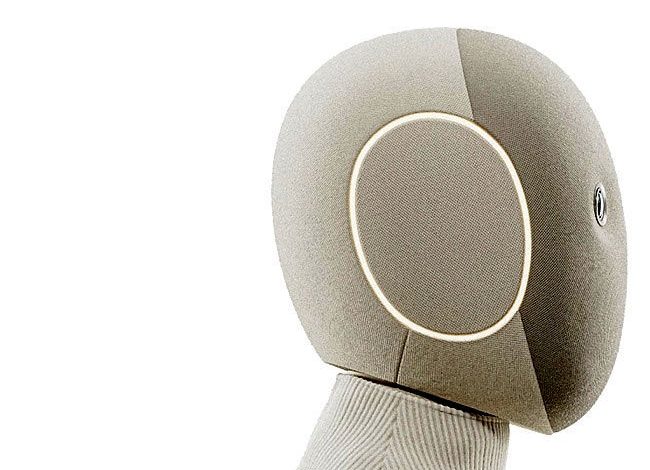
The consumer-focused NEO, produced by X1, features a compact, minimal, and safe design for light household tasks, object retrieval, simple interaction, and companionship. Its built-in AI allows it to learn the owner’s preferences and navigate small spaces, effectively acting as a physical voice assistant with arms and legs.
Tesla Optimus, led by Elon Musk, initially considered a conceptual project, now appears as a functional prototype. Optimus can perform complex motor tasks, such as folding clothes, which are extremely challenging for robotic hands. If successfully developed, it could become one of the fastest-deployable humanoid platforms for factories and homes, capable of a wide range of repetitive tasks.
China’s J-WAN, built by YunTree Robotics, is a smaller, faster, and relatively affordable humanoid robot (under $20,000). While it has more limited capabilities compared to Western models, its flexibility and open-source nature make it popular among developers and enthusiasts. Its abilities include walking, balance maintenance, pointing, and performing simple physical tasks.
Boston Dynamics’ Atlas gained fame with parkour and extraordinary balance demonstrations. The new generation focuses on industrial and commercial applications, designed to be durable, energy-efficient, and flexible in task execution, aiming to collaborate with humans in production, transportation, and logistics.
Why Humanoid Robots?
Why build robots in human form instead of specialized machines? The answer is practical: our world is built for humans. Doors, shelves, tools, vehicles, and furniture are all designed for human size and abilities. Humanoids do not require environmental modifications and can operate in existing spaces.
This capability allows humanoid robots to perform diverse roles—from warehouse sorting to folding laundry at home—without new infrastructure. Integrating AI enables them to understand and interact with humans in ways traditional machines cannot, providing complex, natural interactions—the biggest advantage of humanoid robots.
Currently, humanoid robots are expensive, limited, and need human supervision. However, decreasing costs, improving capabilities, and rising consumer interest point to a positive trajectory. The humanoid robot market is expected to reach tens of billions of dollars in the next decade, with applications in healthcare, elderly care, hospitality, education, retail, and domestic life. Similar to how smartphones transformed human communication, humanoid robots may revolutionize work—not by fully replacing humans, but by enhancing abilities and freeing people from repetitive or hazardous tasks.
Challenges remain: ethical concerns such as surveillance, job loss, emotional attachment, and AI safety must be addressed. Regulations, policy, and public discourse should evolve alongside technology to ensure safe and sustainable use.
The Future of Humanoid Robots
History shows that emerging technologies start slow and limited. Early computers, cars, and airplanes were cumbersome and incomplete but became essential over time. Humanoids follow the same path. First-generation robots may be slow and clumsy, yet they signal the beginning of a revolution comparable to the industrial or internet revolutions.
These robots are not merely physical tools; they are gateways to a new world of human-machine interaction. Combining human-like design and AI, they can operate in existing environments, interact with people, and ultimately improve quality of life, productivity, and safety.
Humanoids, though in their early stages, promise a transformative future. From small home robots like NEO and J-WAN to advanced industrial models like Atlas and Optimus, the technology indicates that robots will soon become an integral part of homes, workplaces, and society.
Just as the first computers and cars reshaped human life, humanoid robots can transform how we work, interact, and live. The path is clear: technology is advancing, the market is growing, and humans are preparing for a new era of collaboration with machines.
Source: Donya-e-Eqtesad