

Qeshm, the starting point of a national transformation from traditional fisheries to smart fisheries
 Seyed Mojtaba Hoseini, reporter for Sadaye Sama
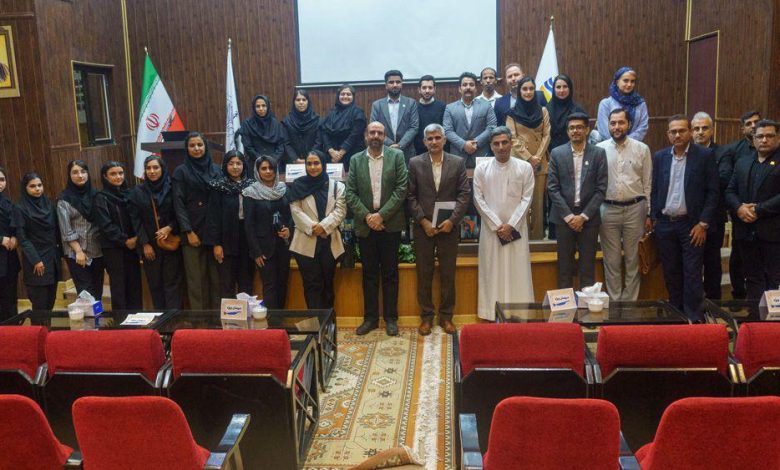
The first National Event on Iran’s Fisheries Economy – Future Outlook, hosted by the Qeshm Free Zone, demonstrates that the missing link in achieving a breakthrough in the country’s fisheries industry is the activation of marine hatchery centers and the localization of technical knowledge for commercial-scale fingerling production.
Both the Iranian Fisheries Organization and the Vice-Presidency for Science and Technology believe that without a sustainable supply of domestic fingerlings, the value chain of cage aquaculture cannot reach its full potential, and dependence on imports will persist. At this event, in addition to addressing challenges, emphasis was placed on technology transfer, specialized workshops, government facilitation, and smart guidance for knowledge-based companies—an approach that, if implemented, could transform the country’s fisheries sector from a traditional, low-value system into a smart, technology-driven, export-oriented, and value-added industry.
Alireza Javanmardi, Advisor to the Office for Technology Promotion in the Fisheries and Agriculture Value Chain at the Vice-Presidency for Science and Technology, highlighted the critical challenge of the shortage of marine fingerlings and reliance on imports, stressing that a significant portion of the country’s cage aquaculture capacity remains unused.
He explained that although several hatchery centers exist in southern Iran, they have yet to reach their nominal capacity. At this event, identifying obstacles in marine species reproduction and presenting practical solutions were prioritized. It was also agreed that, in cooperation with the Vice-Presidency and with the participation of foreign experts, technology transfer workshops will be held to provide hatchery centers with the technical know-how needed to supply cage farms.
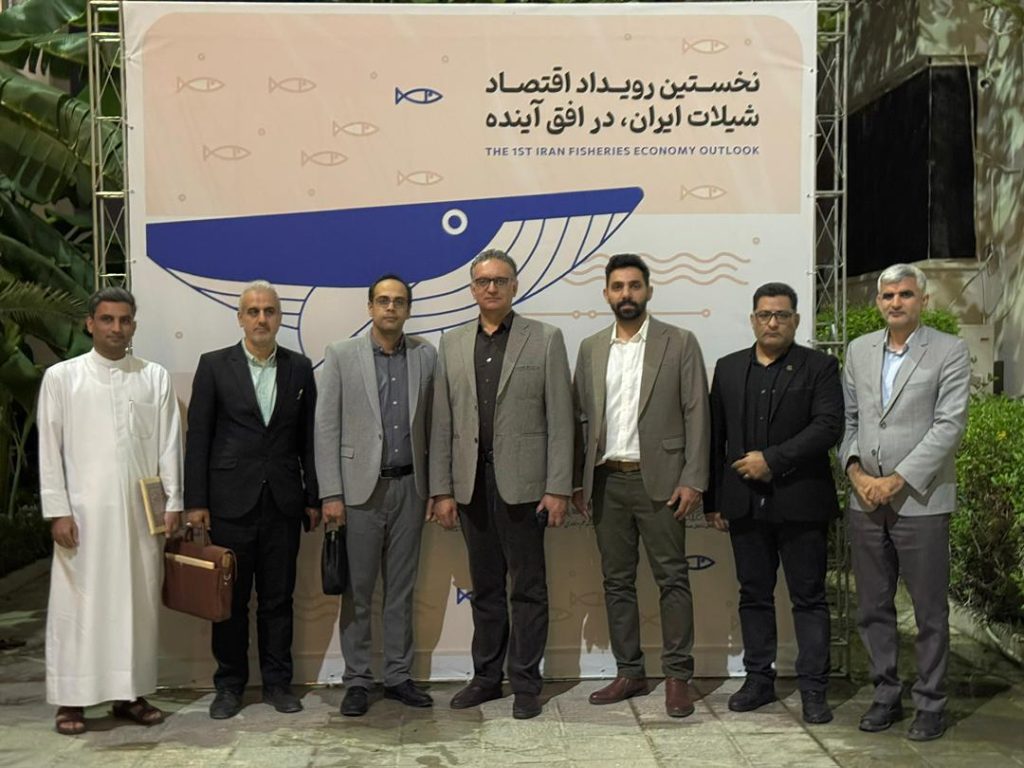
Amirhossein Safargholi, Director of the Fisheries and Agriculture Value Chain Technology Promotion Office at the Vice-Presidency for Science and Technology, stated that this event could serve as a starting point for synergy among the government, knowledge-based companies, specialized stakeholders, and research institutions. He emphasized that the core problem in the hatchery sector is “incomplete localization and the lack of commercialization of technical knowledge.”
He added that although some centers produce fingerlings at semi-commercial or even commercial scales, the sector still requires financial, technological, and regulatory support.
According to him, the Vice-Presidency is prepared, alongside the Iranian Fisheries Organization, to pursue the path of technology enhancement, technical knowledge transfer, regulatory facilification, and empowerment of hatchery centers so that the marine farming industry can achieve the goals set in the Seventh Development Plan.
The Director of the Fisheries Value Chain at the Iranian Fisheries Organization described the event as “important and future-shaping,” calling it a turning point toward the development of modern, smart, and export-oriented fisheries.
Samaneh Maleki, Director of the Aquatic Value Chain at the Iranian Fisheries Organization, emphasized the need to move beyond traditional fisheries and raw product sales, stating that the future of the industry depends on technological processes and value creation.
According to her, hatcheries play a vital role as the driving link in the value chain, and without strengthening these centers, expanding marine aquaculture and achieving national objectives will not be possible.