

Global Health Strategy for 2025–2028 (Part Three)
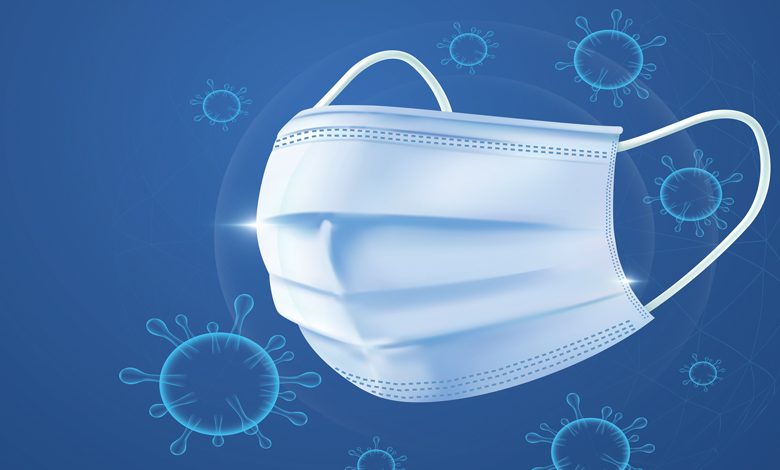
Following the COVID-19 pandemic, a renewed understanding has emerged—shared by political leaders and the populations they serve—regarding the central importance of health and well-being in social and economic development.
Although health-related Sustainable Development Goals (SDGs) have significantly fallen off track, new national and international capacities and commitments can be leveraged to revive action toward their core objective and to equip health systems to meet the expectations of populations and address the emerging challenges of the post-SDG world.
The four-year period from 2025 to 2028 offers a unique opportunity to advance health equity and return health-related SDGs to the right trajectory while making health systems “future-ready.”
Achieving this objective will require a shared global health agenda and collaborative efforts among a broad range of stakeholders in support of government actions.
This Global Health Strategic Document—the Fourteenth General Programme of Work (GPW 14) of the World Health Organization for 2025–2028—builds on the foundation laid in the Thirteenth General Programme of Work (GPW 13), 2019–2025, which placed measurable impact in countries at the center of WHO’s work and results framework. It draws on lessons learned from the COVID-19 pandemic and the evaluation of GPW 13 (see Box 1); advances the United Nations General Assembly’s political declarations related to health; and reflects extensive and ongoing consultations with Member States, partners, and stakeholder groups.
The programme is grounded in the SDG principle of “leaving no one behind,” and upholds WHO’s commitment to health equity, gender equality, the right to health for all, and the promotion of healthy living and well-being throughout the life course.
GPW 14 carries forward WHO’s commitment—outlined in the Director-General’s report on the extension of GPW 13 to 2025—to promote, deliver, and protect health, while helping strengthen the work of the broader global health ecosystem toward achieving the SDGs and improving WHO’s organizational performance.
Section 1 of GPW 14 describes the challenging global context for 2025–2028 and sets the stage for a global health agenda.
Section 2 presents the shared purpose (promote, deliver, and protect health), the strategic objectives, and the shared outcomes of GPW 14 for Member States, UN entities, partners, stakeholders, and the Secretariat for 2025–2028. It also introduces a theory of change explaining how the work of WHO and others will contribute to this agenda.
Section 3 outlines how the WHO Secretariat will contribute to the global health agenda through its organizational outcomes to accelerate progress and generate measurable impact.
Section 4 describes how the Secretariat will optimize its performance during 2025–2028.
Finally, the annex presents the draft shared outcomes and indicators of GPW 14, in addition to the draft organizational outcomes and their associated indicator framework, which will be further developed as part of the Programme Budget 2026–2027.
Box 1 – Independent Evaluation of GPW 13: Informing a Better GPW 14
The independent evaluation team for GPW 13 regularly engaged with the WHO GPW 14 Steering Committee to ensure that emerging findings could be meaningfully considered and that core recommendations were reflected in GPW 14, with emphasis on:
• Setting the agenda for global health: GPW 14 now provides a global agenda for 2025–2028, developed through broad consultations with Member States, partners, and stakeholder groups.
• Theory of change: A comprehensive theory of change now explains how WHO’s core work enables the collective actions required by Member States, WHO, and partners to achieve the strategic objectives and shared outcomes of GPW 14.
• Priority focus areas: GPW 14 includes strengthened emphasis on health system resilience, health equity and global access, climate change, and disease prevention among the priorities reflected in its strategic objectives and outcomes.
• Results framework: An enhanced results chain and logic have been developed for GPW 14, including both “shared” and “organizational” outcomes, recalibrated measurement indicators, and updated outcome indicators (see annex; outputs will be finalized in the Programme Budget process).
• Data collection and management: GPW 14 emphasizes stronger data foundations, including a dedicated outcome on strengthening country health information, data, and digital systems, and an organizational focus on improving WHO’s data management systems and capacities to produce timely, reliable, accessible, and actionable data.
**Section 1
Health and Well-Being in an Increasingly Complex World**
A Changing World
Since the adoption of the SDGs in 2015 and the endorsement of GPW 13 in 2018, the world has changed—and will continue to change—in fundamental ways that have profound implications for human health and well-being in every country and community, particularly for the poorest and most vulnerable.
The pace of climate change and environmental degradation has accelerated, emerging as a major threat to human health in the 21st century. Global temperatures continue to rise and are expected to exceed 1.5°C above pre-industrial levels by 2030.
Extreme weather events, air and chemical pollution, microbial encroachment across the animal–human–environment interface, and climate-sensitive pandemics are occurring with increasing frequency worldwide, with disproportionate impacts on especially vulnerable regions, including small island developing states.
Human migration and displacement have reached unprecedented levels: an estimated 1 billion people have either chosen to migrate or have been forcibly displaced—within or beyond their countries—due to economic, environmental, political, war-related, and other drivers.
Demographic shifts are accelerating, with many countries experiencing aging populations alongside rising global urbanization. Basic public services are struggling to keep pace, with nearly 30% of the world’s population lacking access to safe drinking water.
Growing inequalities within and between countries—exacerbated by the COVID-19 pandemic—have widened the gap in health, social, and economic outcomes between those with resources and those without.
Geopolitics is shifting, with new alliances, changing power balances, rising instability, increasing polarization, new conflicts, and greater emphasis on national and regional self-sufficiency, all of which complicate national and international cooperation for promoting health and well-being.
At the same time, scientific and technological advancements have ushered the world into a new scientific and digital era, offering immense potential to advance human development, improve policymaking and decision-making, and enhance productivity, access to information, and service delivery.