

People-Centered Economy (Part Three)
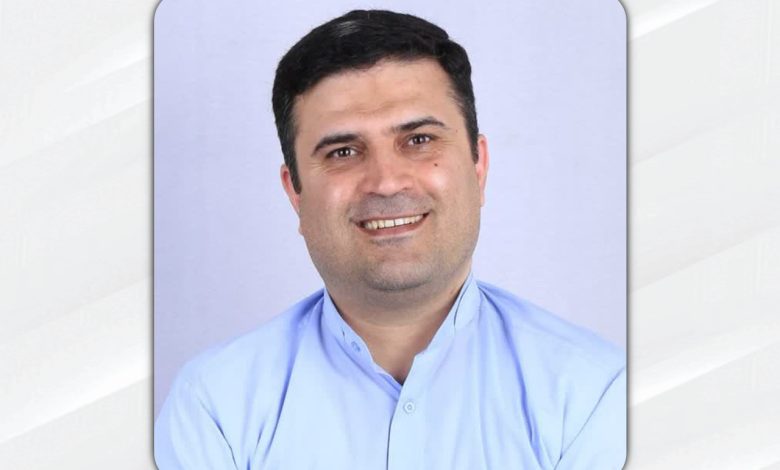
 Amirhossein Khodaei, Researcher
People-Centered Economy (7)
Iran’s Economy in the Hands of the People: From Vision to Practical Program
Imagine the sound of small and medium-sized workshops resonating through villages and city streets—a sound that reflects a nation where every corner runs its own economic engine. Families, skilled youth, cooperatives, micro-funds, and neighborhood networks are no longer spectators but key actors climbing the ladder of participation. With each step upward, people move from being mere consumers to decision-makers and true stakeholders. Leading nations—Germany, Sweden, Japan, South Korea, India, Chile, New Zealand, Singapore, Estonia, and the United States—show that when citizens stand on the higher rungs of participation, justice, innovation, sustainable growth, and inclusive employment naturally follow.
1. Pillars of a People-Centered Economy and Global Models
A. Agriculture and Food Production
In India and Japan, small farmers are not just producers but participants in major economic decisions. Sweden and Germany have shortened supply chains, reducing middlemen and positioning citizens as real owners and decision-makers. With abundant natural resources, Iran can elevate its farmers through training, modern tools, and microfinance so that ownership, decision-making, and profit remain in their hands.
B. Energy and Renewable Resources
South Korea and Germany have demonstrated that when citizens participate directly in energy projects, motivation and efficiency grow. Estonia has transformed citizens from passive consumers into owners and supervisors of their energy resources through smart digital governance. Iran, by easing licensing and supporting cooperatives, can form community-based energy associations and allow households to sell surplus electricity—placing people on higher steps of participation.
C. Industry and Knowledge-Based Production
Japan, South Korea, and Germany have empowered skilled young people through accelerators and technology parks, granting them ownership and decision-making roles. Iran too can, through public micro-capital, support funds, and technological infrastructure, build small and medium-scale knowledge-based companies for students, enabling citizens to gain real influence in the production chain.
D. Financing and Mobilizing Small Capital
Micro-investment funds in Europe and the U.S., and microcredit models in Bangladesh, demonstrate that when people steer investment themselves, production and innovation flourish. Iran can channel scattered liquidity toward production via local funds, cooperatives, micro-bonds, and crowdfunding platforms—helping citizens climb upward on the ladder of participation.
E. Transparency, Oversight, and Reducing Rent-Seeking
Advanced nations have reduced corruption through public oversight and digital transparency systems. Iran can strengthen citizens’ oversight through transparent procurement platforms, property registries, and public access to contracts, enabling people to become true monitors and decision-makers and shifting the economy toward openness and accountability.
2. Domestic Requirements for Production and a People-Centered Economy
-
Channeling micro-capital into funds and cooperatives to empower citizens economically.
-
Making skilled youth the engine of innovation and decision-making.
-
Providing public access to technology and infrastructure to ensure control over production and profit.
-
Using domestic raw materials, the banking network, and digital platforms as tools for people to ascend the participation ladder.
-
Reforming regulations to create a secure environment for genuine public engagement.
3. Practical Methods and Actionable Solutions
-
Establishing local micro-investment funds with legal facilitation from banks.
-
Creating agricultural and energy cooperatives with direct profit rights and decision-making authority.
-
Expanding crowdfunding platforms.
-
Training youth in managerial, technical, and marketing skills.
-
Ensuring transparency in government procurement and contracts.
-
Supporting local markets and short supply chains.
-
Using modern technologies to track ownership and distribute profits.
-
Providing bank guarantees and credit based on movable and immovable assets.
4. Legal Facilitation and Government Support
-
Supportive legislation for micro-capital and cooperatives.
-
A transparent legal framework for crowdfunding and micro-bonds.
-
Mandatory membership of enterprises in professional associations.
-
Professional councils within public institutions to share expert knowledge.
-
Partial guarantees of capital and returns to reduce investor risk.
-
Defining and assigning legal missions to all organizations—public and private—according to their capacity and expertise, with annual measurable evaluations.
5. Diverse Financing Mechanisms
-
Joint funds and cooperatives.
-
Micro-bonds for major projects.
-
Crowdfunding platforms.
-
Occupational, family, and local savings funds.
-
Transparent public participation in domestic markets.
Each of these tools helps citizens climb the ladder of participation and gain real economic power.
6. Prioritization and Timeline
-
Year 1: Regulatory reform, establishment of funds and cooperatives, creation of transparency systems.
-
Years 2–3: Expansion of financial platforms, training of youth and students, pilot projects in community-based energy and agriculture.
-
Years 4–5: Scaling cooperatives and funds, deeper integration of skilled human resources into production, evaluation and optimization with public participation.
Throughout all phases, citizens—particularly low-income groups—gradually ascend the ladder of participation, with transparent, publicly accessible evaluations ensuring a dynamic and accountable economy.
Conclusion
A people-centered economy emerges when citizens stand on the higher rungs of participation, where ownership, oversight, and decision-making lie in their hands. When families, skilled youth, and community funds jointly enter the cycle of production and governance, Iran can become more self-reliant, reduce dependencies, and build a dynamic, transparent, and innovative economy.
Wisdom lies in standing with truth—always.