

People-Centered Economy (Part Four)
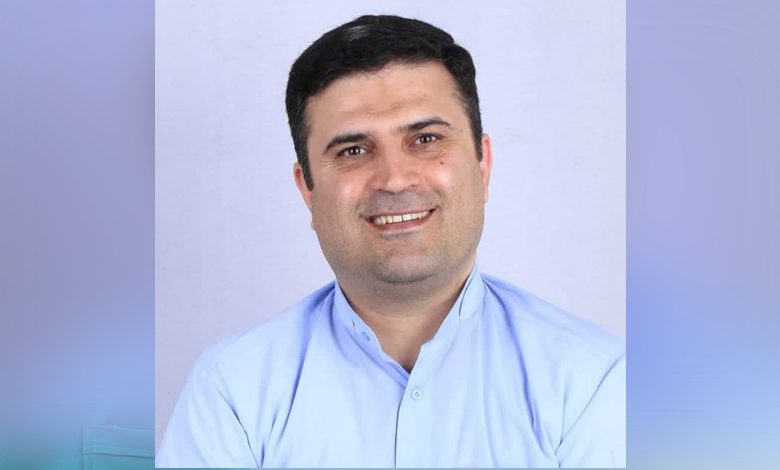
 Amirhossein Khodaei, Researcher
People-Centered Economy (8)
Shaping the Great Dream of the New Generation — From the Classroom to the Heart of a People’s Economy
A note for teachers, parents, administrators, and all those who know that the future must be built, not awaited.
In an age when the world is transforming at dizzying speed, our society stands before a historic choice:
either we send the new generation into the future armed only with memorized information,
or we transform schools and universities into workshops for cultivating capable, independent, creative, and wealth-producing human beings—
a generation that does not seek jobs, but creates them;
a generation that claims its rightful share of the national economy and participates alongside the people in building a sustainable, people-based economic system.
This note is an invitation to shape a national discourse on financial intelligence—a discourse that can begin in the smallest schools and grow into a pillar of the country’s future.
Why must we begin with schools?
Every great change starts small.
A student who learns to budget pocket money today
will grow into a young adult capable of energizing a local business tomorrow.
A university student who learns to draft an economic plan today
may become a manager or entrepreneur shaping national production and employment tomorrow.
Schools must be more than places of rote learning; they must become environments where students:
-
understand assets and liabilities;
-
learn personal budgeting;
-
gain the courage to pursue entrepreneurship;
-
learn to write business plans;
-
and experience the sweet taste of real wealth creation.
Such experiences build confidence;
confidence produces financial independence;
and financial independence is the foundation of a people-centered economy.
The role of students in people-centered economic development
The young generation is not merely a consumer of knowledge.
When equipped with skills, it becomes the strongest engine of economic progress.
1. Turning schools and universities into centers of value creation
When students create and sell small products or offer innovative services,
they grow in foresight, decision-making, teamwork, and responsibility.
2. Bringing youth into the local marketplace
Through market projects, school bazaars, or presenting economic proposals to local businesses,
young people enter the real people-based economy.
3. Learning how to attract and invest capital
A generation that knows how to turn small savings into capital,
or how to use community support, donations, local businesses, and crowdfunding,
becomes capable of producing economic miracles.
4. Developing a culture of participation and shareholding
When students buy shares in school projects
or invest in joint urban initiatives,
they grow into a generation that claims its share of wealth creation.
5. Social networking and supportive relationships
Support networks—family, mentors, classmates, and benefactors—play an essential role in economic success.
6. Risk management and decision-making
Learning to decide under uncertainty prepares young people for real economic challenges.
Global models of success: How wealth-creating generations are built
1. Schools that establish real companies (Europe & the U.S.)
Students form small companies, sell shares, produce, market, and distribute profits.
2. National financial education programs from elementary school (East Asia)
Financial behavior, budgeting, saving, and investing are taught early on.
3. Youth entrepreneurship programs
Teenagers pitch ideas, receive guidance, and secure financial and educational support.
4. The Jewish example
Despite numbering only about 15.8 million—less than 0.5% of the world population—
they hold a remarkable share of global wealth and innovation:
465 billionaires with a combined net worth exceeding $2.66 trillion.
The key: early financial education, future-oriented thinking, valuing knowledge and work, saving, investing, and strong community networks.
Successful domestic experiences
-
School marketplaces and “student entrepreneur” initiatives.
-
University entrepreneurship courses.
-
Youth and teen accelerator programs.
-
Technical and vocational schools with real, marketable production.
-
Market analysis and applied economic research by students.
-
Training in financial ethics and social responsibility.
-
Continuous practice and multi-stage skill building.
The major step ahead
Schools must become centers that:
-
teach financial intelligence;
-
practice economic planning;
-
provide opportunities for small-scale wealth creation;
-
connect students to real markets;
-
and prepare them to become participants in a people-based economy.
Universities must:
-
make economic research practical;
-
transform students from consumers of knowledge into producers of value;
-
and guide them in financial management, entrepreneurship, and investment.
Final Words
A bright future begins when we believe that future generations must not only study, but create wealth, accept financial responsibility, and become shareholders in their nation’s economy.
This path begins in school—on the very desks where we once sat.
If we act today, tomorrow will not be late, and a new generation will rise to build a people-centered economy not in words, but in practice.
The outcome of wisdom is constant alignment with truth.