

Students and universities: producers of “national power” in the view of the Leader of the Islamic Revolution
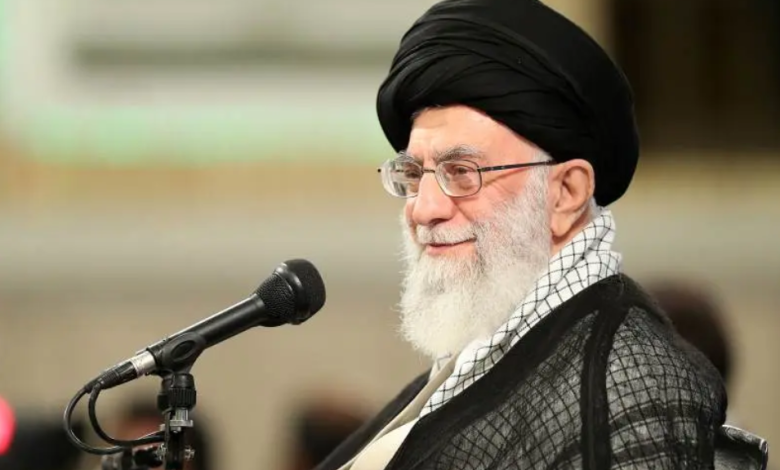
The annual meetings of the Leader of the Islamic Revolution with students and the officials of student organizations are among the most important opportunities to outline the roadmap of the student movement and to address current intellectual and political challenges. In these meetings, he elaborates on the discourse of the Islamic Revolution and explains the duties of universities, students, and student organizations in advancing this discourse. At the end of these meetings, he also offers recommendations and presents his expectations from the students. The most significant recommendations and demands he has made in recent years can be reviewed as follows:
The Role, Importance, and Mission of the University
The Leader’s foremost expectation from universities is their serious attention to knowledge and scientific advancement, which he considers the foundation of national power and essential for solving the country’s problems and meeting its fundamental needs. For this reason, he views the admission of students in fields required by the country—fields that ensure employment opportunities after graduation—as one of the key responsibilities of universities.
Another major expectation is that universities actively contribute to the scientific progress of the nation. He advises:
“Sit down and think. Thought determines what should and should not be done. Work along the path of the country’s scientific progress; this is a national and revolutionary duty.”
He envisions a broad yet attainable horizon for scientific work in universities—namely, that Iran’s scientific progress should reach a point where anyone seeking the latest scientific findings in the world must first learn the Persian language.
He considers success in these sensitive missions dependent on a healthy and growth-oriented academic environment. According to him, adherence to Islamic values and observance of religious norms—such as hijab and proper gender boundaries—creates a secure and dynamic environment for scientific work. He states:
“I ask university officials, heads of universities, the managers of the relevant ministries, and the students themselves—especially the young women—to pay attention to hijab and the gender boundaries that exist in Islam. These religious norms must be observed in universities.”
The Role and Responsibilities of the Student
Among the most important expectations of the Leader from students are: piety, self-building, and maintaining the spirit of hope within themselves and in society. Accordingly, he advises students to strengthen their religious foundations, engage with the Qur’an, perform prayers on time with presence of heart, and more. He stresses the need for students to protect themselves from despair and passivity, as these not only weaken the student’s role but also slow the broader engines of progress in society.
He encourages students to read extensively, launch a reading movement, create reading lists and study plans, and establish intellectual working groups.
He advises students to expand the front of the Revolution, and instead of excluding others despite differences in taste or approach, they should increase their capacity for attraction and influence to bring more students into this front.
According to his expectations, students must cultivate:
spiritual strength, political insight, awareness, issue recognition, unity, scientific capability, and responsibility, and stand at the forefront of defending the discourse of the Islamic Revolution and explaining its ideals—such as anti-arrogance and pursuit of justice—while striving for scientific advancement for themselves and their society.
The Role of Student Organizations
The Leader believes student organizations can act as drivers of the student movement, creating transformation through jihad-like effort aligned with the goals of the Revolution and the Islamic Republic. He considers the existence of these organizations a major national opportunity and recommends strengthening their religious and revolutionary foundations.
He views the presence and activity of these organizations among the large student population as both an opportunity and a responsibility. With serious effort, planning, and discourse-building, they can influence students intellectually and religiously and help resolve their intellectual challenges.
He further advises these organizations to address fundamental issues of the Islamic system through reflection, dialogue, forming active committees, and holding platforms for free thinking, and to present strong and well-considered solutions. He also encourages forming scientific groups, cooperating with knowledge-based companies, and establishing jihad groups to implement these solutions.
He urges them to remain sensitive to international issues and the concerns of the Islamic world, expand their activities beyond Iran, and build ties with student groups in Europe and regional countries to introduce them to the Islamic Republic and assist them in their just struggles.
He also advises them to create a network of student writers, remain active in student publications, and play an effective role in the Jihad of Clarification.
These expectations reveal that the Leader views student organizations through a strategic, discourse-based lens, expecting them to be intellectual pioneers and front-line defenders of the Revolution and its ideals—effective both inside and outside the country.
Source: Tasnim News Agency