

The Commander of Hearts, a manifestation of the human-building school in the contemporary era
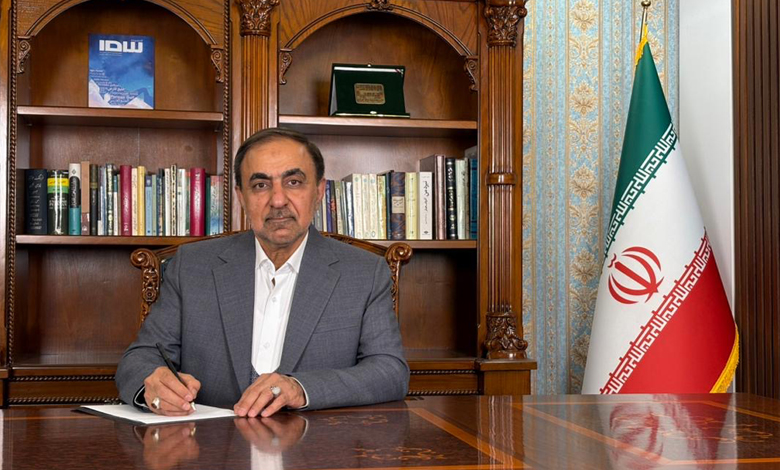
 Dr. Seyed Hamidreza Ghorashi – Editor-in-Chief
Whenever a human being transcends the orbit of individualism and his existential capacity expands to the extent that it leaves a profound impact on the souls of others along the path of perfection, he effectively becomes a school of thought. When a coherent and comprehensive system is formed—composed of the elements of a fully developed personality across various dimensions and fields—he emerges as a model, a school, and a source of instruction. This was the case with the Commander of Hearts, Qassem of the aware and free nations. And so too was his loyal companion, the faithful and courageous Abu Mahdi al-Muhandis, may God’s infinite mercy be upon him.
With due respect to Mr. Mohammad Ali Rad and the National Council for Public Culture, we now seek to outline some of the prominent characteristics of the founder of this school—characteristics that define its very essence.
1. Military Genius:
Martyr Qassem Soleimani possessed exceptional military genius, mastering the science of warfare through hands-on experience rather than theory alone. He tested himself in at least three major arenas: the Sacred Defense, the fight against armed criminal groups, and regional, transnational battles in Iraq and Syria against the brutal ISIS terrorist organization, despite extensive backing from hegemonic powers.
2. Spirit of Bravery and Combat:
A fearless commander, he not only directed operations from command centers but consistently appeared on the front lines. His conduct embodied the teachings of Imam Ali (AS) on resilience, courage, and reliance on God. His leadership earned him the country’s highest military honor, the Order of Zulfiqar.
3. Martyrdom-Seeking Spirit:
He was deeply enamored with martyrdom, grieving for his fallen comrades and constantly praying for divine union. His ultimate aspiration was martyrdom, which he finally attained at the hands of the most wicked of his era.
4. Devotion to Ahl al-Bayt (AS):
His love for the Prophet’s Household was heartfelt and profound. He cherished serving in Hussaini mourning ceremonies and regarded it as a great honor.
5. Loyalty to Wilayah:
His allegiance to the Supreme Leader transcended formal military hierarchy and was rooted in deep conviction. His words, actions, and decisions consistently followed the path of Wilayah—hence his being likened to “Malik al-Ashtar of Wilayah.”
6. Sincerity and Spirituality:
He combined mysticism with jihad, maintaining nightly prayers, supplication, and devotion, while avoiding hypocrisy and ostentation—embodying the Quranic verse:
“Their mark is on their faces from the trace of prostration.”
7. Transnational Vision:
As commander of the Quds Force, he played a decisive role in shaping the Axis of Resistance and safeguarding regional and global security.
8. A Distinguished Diplomat:
Beyond military leadership, he demonstrated remarkable diplomatic skill, skillfully balancing hard and soft power when required.
9. Discipline and Perseverance:
Highly disciplined, tireless, and precise, he remained present on operational fronts despite injuries, dedicating his life entirely to jihad and service.
10. Swift and Timely Action:
His rapid decision-making enabled him to strike enemies decisively and at the right moment.
11. Revolutionary Spirit:
A true son of the Islamic Revolution, he believed in its growing global influence among justice-seeking nations.
12. Prudence and Strategic Thinking:
A thoughtful listener and decisive leader, he valued consultation, teamwork, and outcome-oriented action.
13. Popular Character:
He loved the people, stood by the oppressed, supported the needy, and believed serving the public was the highest honor.
14. Moral Excellence and Tranquility:
Firm yet gentle, decisive yet compassionate—an embodiment of the verse:
“Muhammad is the Messenger of God, and those with him are firm against the disbelievers, merciful among themselves.” (48:29)
15. Pursuit of Human Perfection:
Martyr Soleimani represented a multidimensional model of faith, ethics, and jihadi leadership. His martyrdom did not diminish his influence; rather, it ignited a global wave of resistance, fulfilling the divine promise:
“They seek to extinguish the light of God… but God will perfect His light.”
The realization of the goals of the “Second Phase of the Revolution” depends on practical emulation of his school of thought and leadership model.