

Section One: From Birth to Martyrdom (Part One)
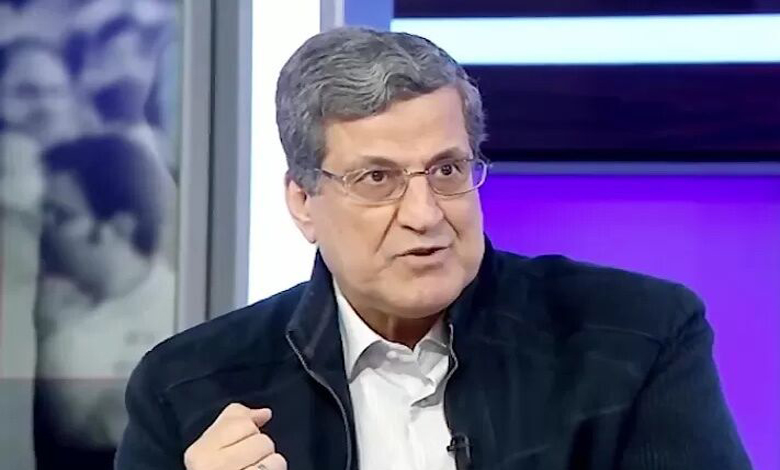
 Najah Mohammad Ali, Journalist and Researcher on Iranian and Regional Affairs
The Family and Educational Roots of Qassem Soleimani in Kerman
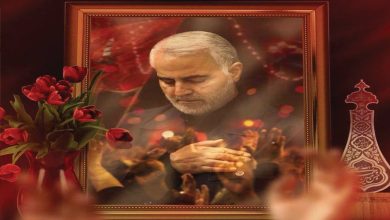
Qassem Soleimani was born in March 1957 in the village of Qanat-e Malek in Kerman Province, into a modest and religious family. His father was a farmer who earned a lawful livelihood through tireless labor. Qassem’s early upbringing took shape in a rural environment infused with a strong work ethic, popular religiosity, and traditional religious teachings. From a young age, he became familiar with the hardships of life—an experience that deeply ingrained resilience, perseverance, and determination in his character.
During his teenage years, Soleimani moved to the city of Kerman and worked as a construction laborer. In this period, his exposure to class disparities, social injustice, and the difficult living conditions of ordinary people deepened. However, the pivotal turning point in his intellectual and spiritual development came through his involvement with revolutionary religious circles and his participation in religious and political gatherings prior to the victory of the Islamic Revolution. These experiences transformed the young Qassem into a committed revolutionary who played an active role in demonstrations and grassroots organizing during the years 1977 and 1978.
Following the victory of the Islamic Revolution and the onset of internal unrest, Soleimani joined the Islamic Revolutionary Guard Corps (IRGC). He quickly distinguished himself as a field commander who was deeply respected by his troops and trusted by senior leadership. The Iran–Iraq War (1980–1988) marked a defining chapter in his military and personal life. Serving on both the southern and western fronts, particularly in major operations such as Valfajr and Karbala, he commanded the Kerman forces and the 41st Tharallah Division. He demonstrated exceptional military acumen, tactical innovation, and a unique spirit of jihad. His close friendships with martyred commanders such as Ahmad Kazemi, Mohammad Hossein Hemmat, Mehdi Bakeri, and Hossein Kharrazi formed an enduring part of his wartime legacy. He was not merely a commander leading from behind, but a true companion in the trenches, sharing the hardships of his soldiers.
After the war, Soleimani emerged as a key figure within the restructured IRGC. The most significant strategic transformation in his career occurred in the late 1990s when he was appointed commander of the Quds Force. In this role, he evolved from a national military figure into the chief architect of a transnational resistance axis. With a profound understanding of regional dynamics, he forged strategic ties with Palestinian resistance groups, Hezbollah in Lebanon, Islamic Jihad, Ansarullah in Yemen, Iraq’s Popular Mobilization Forces, the Zaynabiyoun Brigade from Pakistan, and the Fatemiyoun Brigade from Afghanistan—bringing them together into a unified front against American and Zionist projects in the region.
Soleimani’s distinction at this stage lay not only in his operational leadership and presence on the battlefield, but also in his deep political and ideological insight. His speeches and letters—to the leadership, to resistance fighters across the region, and even to adversaries—reflected a monotheistic worldview, a strong commitment to the concept of guardianship (wilayah), and unwavering loyalty to the ideals of the Islamic Revolution. While actively engaged in combat, he also shaped the broader path of resistance with wisdom inspired by Imam Ali, grounding it in ethics, solidarity with the oppressed, and steadfast opposition to domination.
His personal conduct was inseparable from his public identity. Known for his simple lifestyle, devotion to martyrs, attachment to prayer and pilgrimage, and close ties with the families of martyrs and the underprivileged, Soleimani embodied a rare combination of military authority and humility, spiritual depth, and popular appeal. He repeatedly expressed that he did not seek fame or recognition as a commander; rather, his ultimate aspiration was martyrdom. This aspiration was fulfilled on January 3, 2020, at Baghdad International Airport, when he was assassinated in a terrorist attack carried out by the United States with the involvement of the Zionist regime.