

A Remarkable Increase in Spirituality and Ethics in the Public Sphere of Society

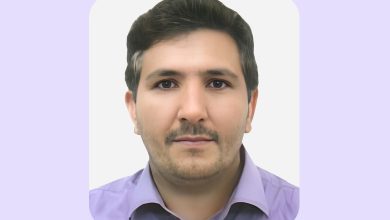
 Hojjat al-Islam wal-Muslimeen Amir Hossein Shahani
Representative of the Supreme Leader in the Basij of Social Strata
The level of spirituality and ethics in the public sphere of society must be significantly elevated. This blessed phenomenon was promoted more than anything else by the conduct and character of Imam Khomeini (may he rest in peace) throughout the period of struggle and after the victory of the Islamic Revolution. A spiritual, mystical, and ascetic figure—free from material attachments—assumed leadership of a country whose people possessed deep-rooted and enduring faith.
Although the aggressive hand of propaganda promoting corruption and moral laxity during the Pahlavi era inflicted severe damage and dragged the mire of Western moral pollution into the lives of ordinary people, especially the youth, the religious and ethical approach of the Islamic Republic attracted receptive and enlightened hearts—particularly among young people—and transformed the social atmosphere in favor of faith and morality.
The struggles of young people in arduous arenas, including the Sacred Defense, were accompanied by remembrance of God, supplication, and a spirit of brotherhood and self-sacrifice, vividly reviving scenes from early Islamic history. Fathers, mothers, and spouses, driven by a sense of religious duty, parted from their loved ones who hastened to various fronts of jihad; and later, when faced with their blood-stained bodies or injured forms, they met their sorrow with gratitude. Mosques and religious spaces experienced unprecedented vitality.
Long queues formed for spiritual retreats (i‘tikaf), filled with thousands of young people, professors, students, men and women alike. Similarly, thousands of devoted volunteers lined up for jihadi camps, reconstruction jihad, and Basij construction efforts. Prayer, pilgrimage, fasting, devotional walks, religious ceremonies, obligatory and recommended almsgiving flourished everywhere—especially among the youth—and have continued to grow in both quantity and quality to this day. All of this has occurred during a period when the growing moral decline of the West and its followers, along with their extensive propaganda aimed at drawing men and women into the swamps of corruption, has marginalized ethics and spirituality in much of the world. This stands as yet another miracle of the dynamic and progressive Islamic Revolution and system.
Youth: The Axis of Realizing an Advanced Islamic System
However, the path already traversed represents only a segment of the honorable journey toward the lofty ideals of the Islamic Republic. The continuation of this path—which is likely less arduous than in the past—must be pursued with determination, vigilance, speed, and innovation by the youth. Young managers, officials, thinkers, and activists, across political, economic, cultural, international fields, as well as in the realms of religion, ethics, spirituality, and justice, must shoulder responsibility, benefit from past experiences and lessons, uphold a revolutionary outlook and spirit, engage in jihadi action, and transform beloved Iran into a complete model of an advanced Islamic system.
Capable and Faith-Based Human Capital: The Country’s Most Promising Asset
A crucial point future builders must recognize is that they live in a country unparalleled in its natural and human capacities—many of which have remained unused or underutilized due to neglect. High aspirations and the motivation of young, revolutionary forces can activate these capacities and bring about a genuine leap in the country’s material and spiritual progress.
The country’s most important source of hope lies in its capable and talented human capital, grounded in a deep and authentic foundation of faith and religious belief. This includes the large number of young people who have grown up with a revolutionary spirit and are ready to engage in jihadi efforts for the nation, as well as the significant community of young researchers and thinkers actively involved in scientific, cultural, industrial, and other forms of creation. This constitutes an immense national wealth—one that no material asset can ever compare with.
Spirituality and Ethics
Spirituality means highlighting and strengthening spiritual values such as sincerity, self-sacrifice, trust in God, and faith—both within individuals and throughout society. Ethics, meanwhile, refers to observing virtues such as benevolence, forgiveness, helping those in need, honesty, courage, humility, self-confidence, and other noble moral qualities.
Spirituality and ethics provide direction for all individual and social movements and activities and represent a fundamental need of society. Their presence transforms the living environment into a paradise—even amid material shortcomings—while their absence, even alongside material prosperity, creates a kind of hell.
The more spiritual awareness and moral conscience grow within a society, the greater the resulting blessings will be. This unquestionably requires struggle and sustained effort, and such effort will not succeed to any significant degree without the cooperation and support of governments.
Ethics and spirituality, of course, cannot be established through commands or decrees; governments cannot impose them through coercive power. However, first, governments themselves must embody ethical and spiritual conduct, and second, they must create the conditions for these values to flourish in society, empowering and supporting social institutions in this regard. They must confront centers hostile to spirituality and ethics through rational means and, in short, must not allow those inclined toward moral corruption to drag people into moral ruin through force or deception.
Advanced and widespread media tools have placed a highly dangerous capacity in the hands of anti-spiritual and anti-ethical forces. Today, we clearly witness the escalating assault on the pure hearts of youth, adolescents, and even children through the use of these tools.
Responsible government institutions bear heavy duties in this regard, which must be carried out wisely and with full accountability. This does not, of course, absolve individuals and non-governmental institutions of responsibility. In the period ahead, comprehensive short-term and medium-term programs must be designed and implemented to address these challenges.