

Signing of a Cooperation Memorandum Between Water and Energy Federations to Develop Joint Projects / Formation of Iran’s Water and Energy Confederation on the Agenda of Specialized Associations
Water and Energy Associations Emphasize Civil Engagement and Launch Cooperation Agreements

 Habibeh Rahimiyan, reporter for Sedaye Sama
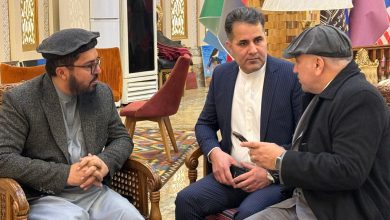
According to the news outlet Sedaye Sama, a meeting was held at the Iranian Water Industry Federation buildingAccording to the news outlet Sedaye Sama, a meeting was held at the building of the Iranian Water Industry Federation with the presence of activists and representatives of associations in the fields of water, energy, and construction. In this meeting, the necessity of strengthening civil engagement, increasing the cohesion of professional associations, and promoting joint sectoral initiatives under the sensitive social and economic conditions of the country was emphasized.
Additionally, in this meeting, with reference to the role of associations as part of civil society, the attendees believed that, by avoiding violence and through civil, sectoral, and professional pathways, it is possible to take steps toward preserving social capital and reducing the damages caused by poor governance decisions. Examples of peaceful civil engagement, including decisions by some institutions to cancel programs out of respect for social events, were presented as models.
Representatives of specialized federations, referring to the historical background of the formation of the Energy and Construction Federations, emphasized that, contrary to common perception, these associations were formed from the bottom up and based on the real needs of the private sector, and they have a long-standing history of professional activity.
Subsequently, it was suggested that instead of focusing solely on meetings of presidents and boards of directors, the capacities of elite members of the associations should be utilized, and committees and joint programs between water and energy associations should be established. The necessity of mutual invitations of member associations to the programs and events of the federations was also emphasized.

Representatives of specialized federations noted the history of the Energy and Construction Federations, emphasizing that, contrary to common perception, these associations were formed from the bottom up based on real private-sector needs and have a long-standing record of professional activity.
It was suggested that instead of focusing solely on board and leadership meetings, the capacities of professional elites should be utilized, and committees and joint programs between water and energy associations should be established. Mutual invitations for participation in programs and events among member associations were also emphasized.
A major proposal at the meeting was the establishment of the Iran Water and Energy Confederation, involving multiple specialized federations. This confederation aims to provide a unified voice, coordinate joint programs, enable effective advocacy, and foster professional engagement with government bodies.
The high capacity of the private sector in addressing national challenges was also highlighted, including the presentation of a program to resolve the country’s electricity imbalance over a two- to three-year period, leveraging the role of energy associations that represent the majority of the nation’s power generation sector.
Following the discussions, a memorandum of cooperation was signed between the Iranian Water Industry Federation (IWIF) and the Federation of Energy Exports and Related Industries of Iran (FIEEI), in the presence of Engineer Hamidreza Salehi, Chairman of FIEEI, Engineer Reza Haji Karim, Chairman of IWIF, and other members of the federations.
The memorandum was concluded in light of the strategic importance of water and energy for the country’s economic development, and the need for cross-sector collaboration to optimize resource use and expand technical and engineering exports.
Key objectives of the memorandum include:
• Developing integrated water-energy projects in industrial towns and large industrial complexes
• Optimizing water consumption in energy-intensive industries such as petrochemical, refining, steel, and mining
• Joint export of technical and engineering services to regional countries in water and energy infrastructure
• Advancing new technologies in industrial water treatment, wastewater recycling, and renewable energy
• Training and empowering specialized human resources in shared sectors
• Joint advocacy for supportive policies and regulations at the national level
• Technology and knowledge transfer
• Commercial cooperation, export development, and business growt

One of the key points of this meeting was the proposal to establish the Iran Water and Energy Confederation with the participation of several specialized federations—a confederation that would be able to speak with a unified voice, implement joint programs, engage in effective advocacy, and maintain more professional interaction with government authorities.
In another part of the meeting, the high capacity of the private sector in addressing major national issues was highlighted; including the presentation of a program to resolve the country’s electricity imbalance over a two- to three-year period, and the role of energy associations, which represent the majority of the country’s power generation sector.
Following the discussion, a memorandum of cooperation was signed between the Iranian Water Industry Federation (IWIF) and the Federation of Energy Exports and Related Industries of Iran (FIEEI) in the presence of Engineer Hamidreza Salehi, Chairman of FIEEI, Engineer Reza Haji Karim, Chairman of IWIF, and several members of both federations.
It is noteworthy that this memorandum was concluded considering the strategic importance of water and energy in the country’s economic development, and the need for cross-sector collaboration to optimize resource use and expand exports of technical and engineering services.
The objectives of the memorandum include:
• Developing integrated water-energy projects in industrial towns and large industrial complexes
• Optimizing water consumption in energy-intensive industries such as petrochemical, refining, steel, and mining
• Joint export of technical and engineering services to regional countries in water and energy infrastructure
• Advancing new technologies in industrial water treatment, wastewater recycling, and renewable energy
• Training and empowering specialized human resources in shared sectors
• Joint advocacy for supportive policies and regulations at the national level
• Technology and knowledge transfer
• Commercial cooperation, export development, and business growth
In conclusion, participants expressed their gratitude to the organizers and the pioneering, courageous individuals in this field, expressing hope that through joint collaboration between water and energy associations, an effective step could be taken toward improving governance, training a new generation of managers, and providing practical solutions for the country’s future.