


The Role of Small and Medium Enterprises (SMEs) in Economic Growth, Job Creation, and International Trade
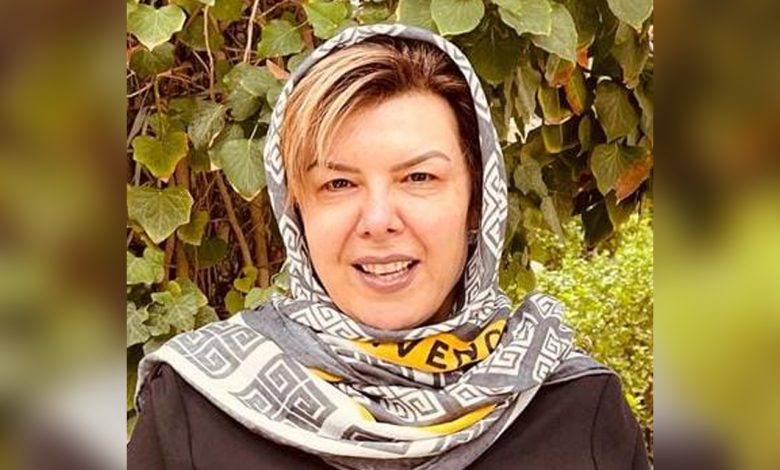
Sepideh Baharan – International Trade Specialist 
Abstract
Small and Medium Enterprises (SMEs) form the backbone of many economies worldwide. They not only account for a significant share of employment but also play a vital role in innovation, productivity enhancement, export growth, and domestic market development. This article examines the role of SMEs in economic development, job creation, and international trade, while addressing challenges and empowerment strategies in countries such as Iran.
Definitions of SMEs vary across countries, typically based on number of employees, annual turnover, or assets. In Iran, enterprises with fewer than 50 employees are generally classified as SMEs. Their characteristics include high market flexibility, simple and informal organizational structures, low operational costs, strong innovation capacity, and limited access to financial resources.
In many countries, over 60% of jobs are created by SMEs. In Iran, SMEs also account for a large share of private sector employment, particularly in food industries, apparel, information technology, and handicrafts. According to statistics from the Ministry of Industry, Mine and Trade (2022/1401), more than 45% of industrial employment was generated by SMEs.
In numerous countries, SMEs have entered international markets and contributed to foreign exchange earnings and economic growth. However, key challenges for Iranian SMEs include lack of familiarity with export procedures, absence of international branding, and logistical barriers.
• Export training programs
• Easier access to global online trade platforms
• Customs and preferential support policiesChallenges in Iran:
• Financial constraints and limited credit access
• Complex and inconsistent regulations
• Inflation and currency volatility
• Unequal competition with large firms
• Shortage of skilled labor
• Export restrictions and international sanctions
• Limited access to modern technologies
Governments can strengthen SMEs through:
• Establishing venture capital funds
• Developing industrial clusters and incubators
• Tax and insurance incentives
• Simplifying business registration procedures
Successful Example: KOSGEB in Turkey has successfully supported more than 200,000 SMEs financially and educationally.
Conclusion
SMEs are key drivers of economic growth and sustainable development. In countries like Iran, empowering SMEs can reduce unemployment, increase non-oil exports, and foster regional development.