

CNN: America on the Brink of a New Kind of Racial Reckoning
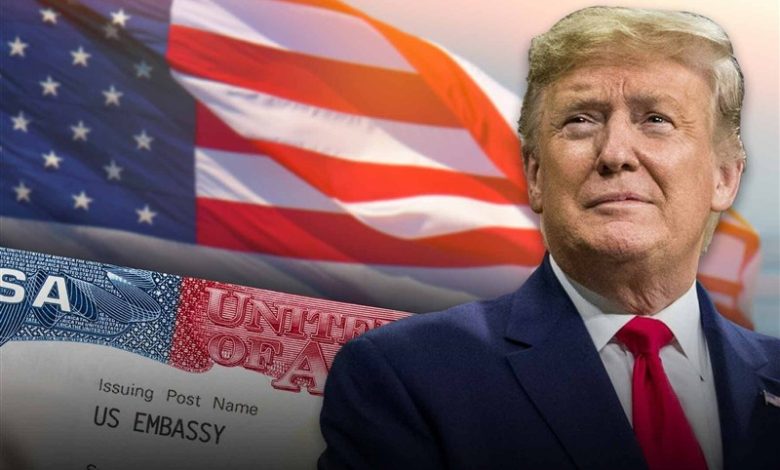
In a report, CNN examined America’s entry into a new phase of racial reckoning coinciding with Donald Trump’s second presidential term and the implementation of large-scale immigration operations.
According to the report, “Black Lives Matter” banners that once adorned homes across the United States are no longer fashionable, and protesters chanting “I can’t breathe” are no longer in the streets.
But look at the immigration protests in Minnesota. What is happening there signals the beginning of a new kind of racial reckoning. These demonstrations may not be as sweeping or ambitious as the protests following the 2020 killing of George Floyd. Nevertheless, they carry significant power.
This claim may seem unbelievable. Floyd’s killing by a Minneapolis police officer sparked the largest protests in American history. White support for the Black Lives Matter movement surged. Former President George Bush even publicly asked: How can we end systemic racism in our society?
Yet this reckoning was more than widespread protests. Many journalists described that moment as one in which white Americans were forced to confront racism and uncomfortable truths. Now, as the Trump administration concludes its immigration operations in Minnesota, anti-immigration protests in the state present an approach to fundamental change that blends old and new lessons.
A Racial Awakening Around Immigration
There are clear connections between the protests over Floyd’s killing in Minneapolis and the recent immigration protests in Minnesota. Both erupted after videos surfaced showing citizens killed by police. Both occurred in south Minneapolis and focused on civil resistance against allegations of excessive enforcement violence. In both cases, Americans were compelled to confront lessons about racism that had been ignored or forgotten.
Meanwhile, Trump views his large-scale immigration crackdowns as a way to remove undocumented immigrants accused of serious crimes. However, events in Minneapolis have forced many white Americans to consider another possibility: that racial and ethnic minorities are the primary targets of Trump’s immigration policies.
Trump is also seeking to end birthright citizenship, a change that would affect many individuals from Asia and Latin America. He has restricted travel from many predominantly Black countries while accepting the white South African minority known as Afrikaners into the United States.
Following the fatal shooting of two American citizens, Alex Perti and Rene Nicole Good, by federal immigration officers during January protests in Minneapolis — an incident that sparked public outrage — evidence suggests that the actions of some immigration agents in Minnesota have altered many Americans’ views about immigration operations.
The Killing of Protesters in Minnesota Became Everyone’s Struggle
The difference between the protests in Minneapolis and those in Minnesota is that George Floyd was Black, whereas Perti and Good were both white and were killed by immigration officers. White Americans faced another uncomfortable truth about racism: Black lives may matter, but when it comes to generating empathy for a protest movement, white lives are perceived differently.
Many white Americans have family and friends who resemble the victims, and their deaths affect white communities in ways that Floyd’s death did not.
Protests Are Expanding Beyond Minnesota
The Minnesota protests are part of a growing movement facing strong resistance in Chicago and Los Angeles. Parents, teachers, religious figures, and community organizers in other cities are training people on how to respond when they witness an immigrant being detained. In Los Angeles and Chicago, reports indicate that resistance against immigration authorities has reached neighborhood clubs, group chats, and Catholic churches that are not usually aligned with the Democrats.
Additionally, anti-immigration protests have reached red states. The “No to the Kingdom” organizers recently announced nationwide demonstrations on March 28 in protest of Trump’s immigration operations. They stated that Black and Brown communities in Minnesota are being intimidated.
What is happening this year in Minneapolis and across the U.S. is likely different from 2020. Yet, this path will not lead to success until Americans confront hard truths about race, ethnicity, and the kind of country they want to live in.
Americans today are awakening to the factors necessary for real, transformative change. Immigration remains a complex issue. Most Americans want secure borders. Racial diversity is deeper and broader than in 2020. However, looking closely at what is happening across the country, one can dare to say something that was unthinkable just a few months ago: America is on the verge of a new kind of racial reckoning.