


Police, the Public, and Information
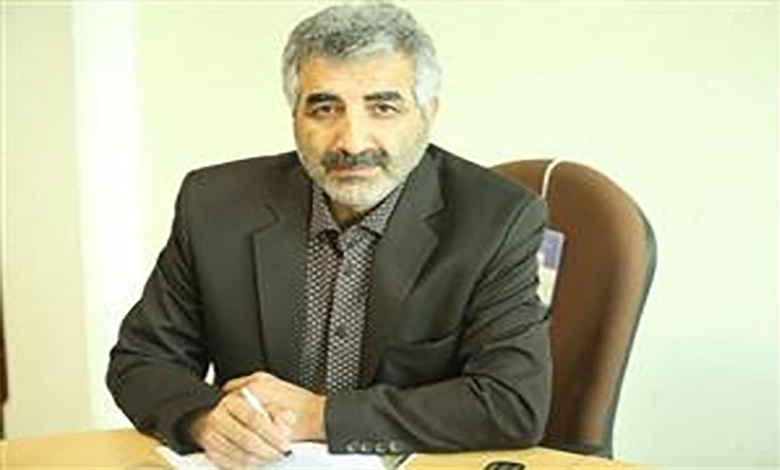

Dr. Gholamhossein Bayabani, Associate Professor in the Department of Crime Detection at Amin Police University of Sciences
In general, policing is a profession concerned with “people and information.” Therefore, police organizations worldwide rely on information analysis to manage ongoing processes.
Perhaps the most significant area of change in policing in the coming years will be the expanded use and development of increasingly advanced technologies on a global scale. This will affect not only organizational behavior and crime patterns but also individuals and lifestyles.
Technological advancements will further enhance communication among individuals and groups, increasing people’s ability to organize themselves.
Major challenges ahead include:
• The emergence of new types of crime.
• The enhancement of traditional crimes through new technologies.
• The development of a technological gap, with police potentially lagging behind in understanding and applying new technologies.
While new technologies pose challenges, they also offer advantages. Improvements in data analytics, biometrics, and related technologies can significantly enhance policing effectiveness.
In developed countries, the slogan “more services with fewer resources” persists. As a result, we may witness increased legislation and a potential expansion of private security agencies’ roles in the absence of sufficient state funding.
Greater emphasis on crime prevention is evident, along with expanded use of surveillance measures and preventive techniques as cost-effective alternatives to expensive social interventions. The challenge for police agencies lies in fostering greater social cohesion and increasing community engagement in policing services.
For both developed and developing countries, managerial skills must adapt to address potential challenges. As expectations for more complex and technologically advanced policing intensify, strategic planning becomes essential for building internal capacity.
In recent decades, demands for police accountability regarding their activities and use of resources have increased, even during periods of economic instability. Police are under pressure from citizens, researchers, colleagues, and policymakers to adopt innovative and creative strategies. Reliance on a “trial and error” approach is no longer acceptable; instead, policing is expected to be evidence-based and grounded in contemporary research to achieve effective crime control.