

The Chamber of Commerce as the Operational Arm of Businesses
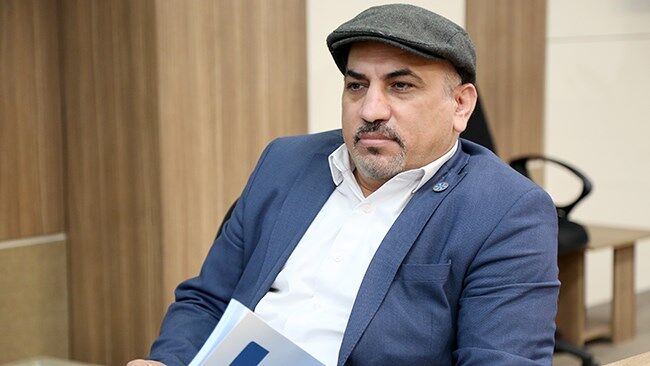
 Hamidreza Salehi, Member of the Board of Representatives, Tehran Chamber
In our country, due to the state-dominated nature of the economy, the heavy reliance on oil revenues, and the underdevelopment of the private sector, which remains weak and fragile, the concept of a “parliament of the private sector” becomes significant. In such a setting, where private-sector elites gather, the Chamber of Commerce—like its counterparts worldwide—can play an influential role alongside policymakers, legislators, and governments, and assume responsibilities in governance and execution. Many of today’s economic problems stem from excessive government intervention, including price controls and suppression. However, if this dynamic shifts toward a partnership in which the private sector assumes responsibility, such interventions may decrease, leading to a stronger private sector. The Chamber of Commerce can play a vital role in Iran’s economic transition from a state-run, oil-based system to a free, competitive market driven by supply and demand. This requires the private-sector parliament to adopt a new role and take over some responsibilities previously held by the government.
The Chamber can influence policymaking by raising concerns when economic developments and policy decisions may create problems. If the government accepts responsibility, it must remain accountable; otherwise, these responsibilities should be delegated to the private sector. Acting as a representative, the Chamber can take charge of execution. It can also develop scenarios in areas such as energy, subsidies, agriculture, industry, GDP growth, pollution, and traffic, offering actionable insights. Government financial support can further enable the Chamber to improve economic conditions.
In special circumstances such as sanctions, the private sector often has greater flexibility, despite limitations like financial monitoring. In such contexts, the Chamber can help reform policies through legislative proposals and play a significant role in shaping laws, budgets, and broader policies. Coercive government approaches under sanctions may have negative consequences, and the Chamber should not distance itself from the state. Its core mission is to maintain proximity to the government in order to advocate effectively for private-sector interests.
To ensure sustainable services and economic security, the Chamber must be strengthened. Expanding inclusive membership across all enterprises is key. As a civil institution, it has the potential to grow stronger and more influential. Strengthening should focus on facilitation and networking, leveraging NGO capacities and expertise. Additionally, utilizing consultants and ongoing projects can enhance institutional capability. For long-term sustainability, the Chamber should be viewed as the right arm of businesses—capable of policymaking and executing high-quality projects using top expertise.