


Winners and losers of Donald Trump’s new tariffs
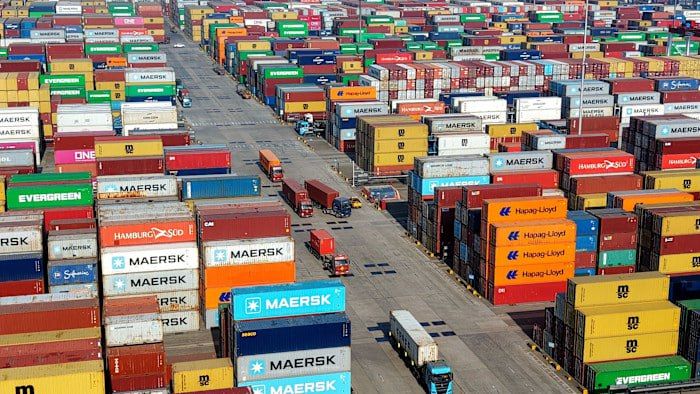
By imposing a 15% tariff on the entire world, Donald Trump has reshaped the outlook of international trade. Analyses by an independent trade monitoring body show that this policy benefits most those countries that were previously the main targets of White House criticism—led by Brazil and China.
Average tariffs for Brazil are expected to decrease by 13.6 percentage points, and for China by 7.1 points. Meanwhile, long-standing U.S. allies such as the United Kingdom, the European Union, and Japan will face the greatest pressure.
This decision came after the U.S. Supreme Court ruled many of Trump’s previous tariffs illegal. In response, the U.S. president introduced a global flat-rate plan and raised it from 10% to 15% to offset the ruling’s impact on trade policy. The U.S. Trade Representative stated that investigations into trade violations will continue, aiming to maintain transaction stability and enforce prior agreements.
Economically, Asian countries with high-demand export goods—such as Vietnam, Thailand, and Malaysia—will also benefit. Products like clothing, furniture, toys, and plastics are expected to gain the most. However, U.S. officials have raised the possibility of new investigations into industrial overcapacity and export subsidies in these countries, which could lead to additional tariffs.
Negotiations between Trump and Xi Jinping are ongoing to maintain trade stability and enforce bilateral commitments, including China’s purchase of U.S. agricultural products and Boeing aircraft, as well as supplying rare earth elements. The Financial Times has also noted that tariff reductions for China and Brazil are a direct result of earlier pressures and Trump’s executive actions.
On the other hand, traditional U.S. allies are experiencing the greatest harm. Average tariffs for the UK have increased by 2.1 percentage points, while the European Union faces a 0.8-point rise, with Italy and France most affected. These changes have raised concerns among exporters to the U.S. and increased pressure for renegotiation with Washington. Experts warn that tariff reductions may require new concessions from the UK.
The future of tariffs remains uncertain, as the new plan is only valid for 150 days. The U.S. government has stated it will use other legal tools to impose country-specific tariffs. The main goal is to offset the financial impact of the court ruling and preserve treasury revenues for the coming year.