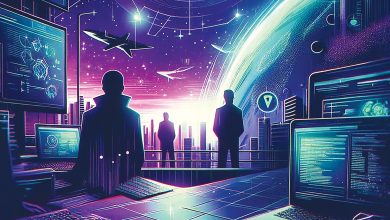


Generation Beta: A Bridge Between Humanity and Artificial Intelligence

 Abbas (Mehrdad) Shahsavarzadeh
Ph.D. Candidate in Communication Sciences
With the beginning of the year 2025, the world enters a new era marked by the birth of the first members of Generation Beta.
According to The New York Post, this generation — born between 2025 and 2039 — symbolizes the start of an age in which artificial intelligence, advanced technologies, and global challenges will reshape human life in unprecedented ways.
Generation Beta is being born into a world at the height of climate change, rapid urbanization, and deep social transformation. These children inherit a planet that urgently needs innovative approaches to address crises such as global warming, resource scarcity, and the consequences of modern technology. Unlike previous generations, they will not directly experience phenomena such as the COVID-19 pandemic or social isolation, yet they will feel their indirect effects through family and society.
One key difference of Generation Beta lies in its deep connection with advanced technology, particularly artificial intelligence. While Generation Alpha was highly dependent on digital devices, Generation Beta will also rely on smart tools — but their usage may be more conscious and purposeful, shaped by their parents’ experiences and improved education. Nevertheless, potential dangers such as over-dependence on technology and reduced human interaction remain serious challenges for this generation.
At the same time, Generation Beta will have unique opportunities. They may use technological tools to address global issues like climate change and resource shortages. This capacity distinguishes them from previous generations and may position them as a bridge between humanity and the era of artificial intelligence. However, generational labels such as “Beta” should not lead to stereotyping. As many researchers note, factors such as social class, culture, and upbringing play a deeper role in shaping personalities. Generation Beta is no exception — their individuality, intelligence, and unique experiences must not be overlooked.
Ultimately, Generation Beta represents both hope and challenge for the future. This generation has the potential to guide humanity toward extraordinary progress, yet it also bears great responsibility. Our duty, as today’s society, is to create an environment that allows them to grow in a better world — one with more opportunities and fewer challenges.
A Reflection on Generational Differences
Generation Z (1997–2012):
-
Characteristics: The first generation to grow up with the Internet and smartphones. They are active consumers of digital content and highly independent.
-
Challenges: Social isolation, pressure from social media, and the impact of crises such as the COVID-19 pandemic.
Generation Alpha (2013–2024):
-
Characteristics: Born entirely into the digital world. Online education and artificial intelligence are integral parts of their lives.
-
Challenges: Excessive reliance on technology and lack of interpersonal communication skills.
Generation Beta (2025–2039):
-
Characteristics: They will grow up in a more complex world shaped by climate change, urbanization, and the rapid progress of artificial intelligence.
-
Advantage: With more mature technology and informed parents, they may achieve a better balance between digital and real life.
Smart Engagement with Generation Beta
A) Developing structured and intelligent educational programs:
Unlike Generation Z, who experienced technology experimentally, Generation Beta will be born into an era where technology is fully embedded. Families and educators must teach them to use technology creatively and for problem-solving rather than mere entertainment. Education should strengthen problem-solving skills, critical thinking, and emotional intelligence alongside technical abilities.
B) Strengthening human connections:
Generations Z and Alpha faced declining interpersonal interactions. For Generation Beta, families and communities must foster spaces that balance digital engagement with real-world social relationships.
C) Preparing for global challenges:
Generation Beta must be educated about climate change, migration, and social responsibility. Unlike previous generations, they will not only use technology but also play a pivotal role in solving global crises.
D) Balancing freedom and supervision:
Compared to Generation Z, which faced excessive freedom in cyberspace, Generation Beta requires intelligent oversight to protect them from misinformation and psychological harm in digital environments.
Final Thought
Generation Beta — those born between 2025 and 2039 — will grow up in a world fundamentally different from that of Generations Z and Alpha. They will inherit a planet shaped by artificial intelligence, digital transformation, and environmental change, facing both immense opportunities and challenges. While Generation Z was the first to fully inhabit social media and Generation Alpha the first truly digital children, Generation Beta may be the first to create a smart balance between the digital and physical worlds.
However, achieving this balance requires thoughtful guidance from families, policymakers, and educators. Purposeful education, reinforcement of human connections, and preparing this generation for global challenges are essential steps. By learning from the strengths and weaknesses of earlier generations, we can help Generation Beta grow into one that seeks not only personal success but also a sustainable and just world.
Generation Beta offers humanity a chance to rethink its educational and social approaches. If we invest in shaping this generation today, tomorrow we may witness a generation capable of transforming the world for the better.