

The hard migration, the sweet life; the ancient journey of Kermanshah nomads amid the autumn cold
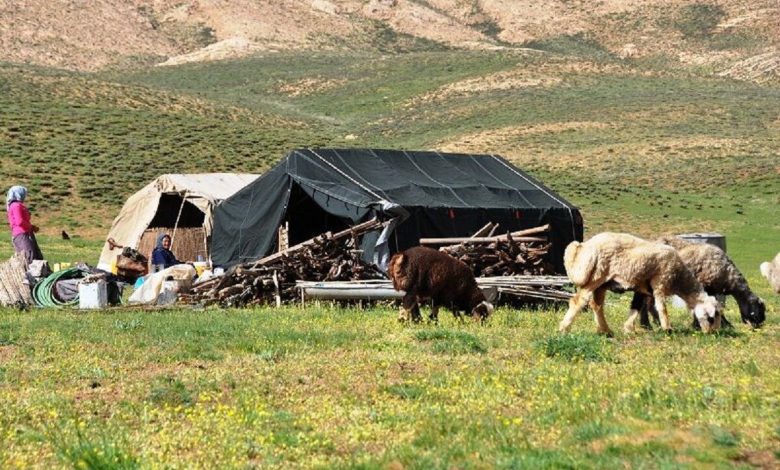
According to the Sedaye Sama News Agency, Kermanshah Province, with its vast pastures and diverse climate, is one of the main centers of nomadic life in western Iran, where tribes migrate annually between summer and winter pastures.
The steep slopes of the Zagros Mountains, wide plains, and natural passages mark the traditional routes of nomads who move to warmer regions as the cold sets in.
This year’s migration, however, has a different tone: reduced rainfall, feed shortages, and rising transport costs have created new hardships for the herders.
The Kermanshah Nomadic Affairs Department has taken steps in recent weeks to manage and organize the migration, including road safety, coordination with natural resources, and ensuring security along the routes.
Despite these efforts, nomads still complain about poor infrastructure, lack of water and safe overnight shelters, and the high cost of fuel.
For the nomads, migration is not just the movement of livestock and families — it is a deep bond between humans and nature, reflected in the wind, mountains, and rivers.
Each year this journey repeats, symbolizing endurance, hard work, and faith in a life interwoven with nature.
According to Ali Jafar Rezaei, former head of the Nomadic Affairs Office, over 14,000 nomadic families live in Kermanshah, migrating between summer and winter grounds both within the province and to neighboring regions.
The nomadic population includes 21% fully migratory, 57% semi-nomadic, and 18% settled herders. Climate change has pushed many toward more stationary herding styles.
In recent years, migration has become increasingly mechanized, with only a few nomads still walking the traditional routes such as Dalahoo to Sarpol-e Zahab.
Migration distances range from 50 to 900 kilometers depending on the tribe, while many historic routes have disappeared due to land encroachments.
Some paths have been damaged, and although services like water and health are provided, the wintering areas remain underdeveloped.
Nomads of Kermanshah produce about 40% of the province’s red meat, yet lack of direct markets means most profits go to middlemen.
Programs for training, packaging, branding, marketing, and access to financial support are underway to empower nomadic producers.
Drought and climate shifts have altered the timing and paths of migration, forcing some nomads to abandon the lifestyle or settle permanently.
Plans such as route rehabilitation, construction of mid-way camps, water reservoirs, and livestock insurance are being implemented.
Karim Ahmadi, a member of the Goran tribe, describes the hardships of the road — early rains, slippery trails, lack of veterinary care — yet sees migration as part of their identity.
He recounts the simplicity of nomadic life: women cooking and tending animals, children studying in mobile schools, and families camping near springs.
The Kermanshah Veterinary Department ensures livestock health through extensive vaccination programs against diseases such as foot-and-mouth and brucellosis, with over 95% coverage.
Ultimately, the autumn migration of Kermanshah’s nomads reflects a tough yet dignified way of life —