

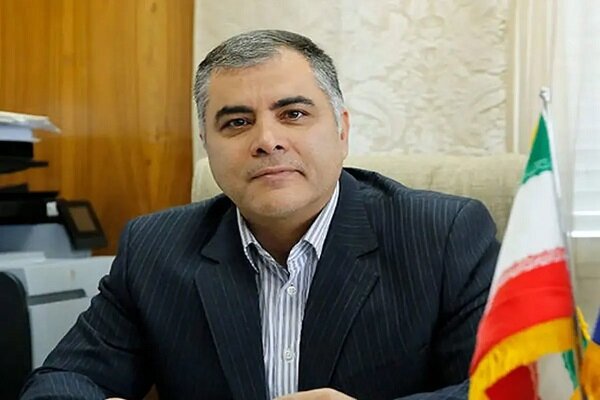
According to the Sedaye Sama News Agency, Mohsen Paknejad, Minister of Oil, said to reporters on the sidelines of today’s government session (Wednesday): “We have no problem in selling oil. Restrictions have existed for years, but we manage them with various measures.”
He added: “Over the past years, these limitations and challenges have existed to some extent, and we will act appropriately in any situation.”
The Minister emphasized that the amount and price of gasoline quotas will not change, while other issues are under review and no final decision has been made yet.
Regarding the government’s new policies for fuel supply, Paknejad said: “Currently, there are no problems in fuel sales or distribution. Necessary measures have been planned for different scenarios, and if restrictions increase in the future, special measures have been considered. The government is prepared for any possible situation, and there is no concern in this regard.”
He added: “These actions are based on legal capacities and government-approved executive regulations. The initial steps began several months ago, and it should be emphasized that the full implementation will be done by the private sector, which will import based on the total cost, including transport, distribution, and legal duties.”
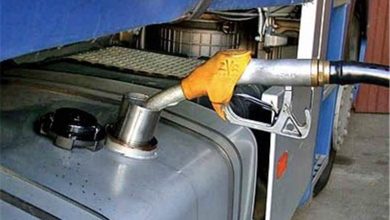
On how the plan will be implemented: starting next week, imported fuel will be offered in the Energy Exchange, and distribution companies will purchase it from there. The gasoline offered will be super and imported, in limited quantities, priced according to total cost. Initial estimates set the base price at around 65,000 Tomans, which may be finalized after calculating additional costs.
He also stated that imported gasoline will be supplied by the private sector through the Energy Exchange. The price will be determined according to total cost and finalized at the time of sale, with preliminary estimates between 64,000 and 65,800 Tomans per liter. This fuel meets Euro 5 standards, and consumption is optional for those who wish to use higher-quality fuel.
Paknejad added: The commission for fuel stations is set at approximately 650 Tomans per liter, paid according to legal regulations.
Regarding the flare gas collection program, he said: “Recent statistics show that the Ministry of Oil’s efforts in the past year have achieved significant results. A substantial volume of flare gas has been collected, and recent contracts, signed in the presence of the President, account for about 535 million cubic feet of gas. These projects will be operational within 18 months and gas will be collected under 12 contracts. The government is actively pursuing this, and the President personally monitors the flare gas projects, both long-term and short-term through private sector involvement.”
On winter fuel supply, he said: “Thanks to lessons learned last year, fuel reserves for power plants are very good this year, reaching about 3.3 billion liters, nearly double last year, ensuring easier management of winter needs.”
Regarding agricultural fuel quotas: determining the quota is the responsibility of a specialized working group led by the Anti-Smuggling Headquarters, which decides based on cultivated land and crop patterns in different regions. If the group reaches a decision, the Ministry of Oil will implement it. Otherwise, no change will occur. The Ministry is not the decision-maker for agricultural fuel quotas but the executor of the responsible authority’s decisions, taking into account the Ministry of Agriculture’s concerns about food security within the framework of the working group.