


Global Health Diplomacy
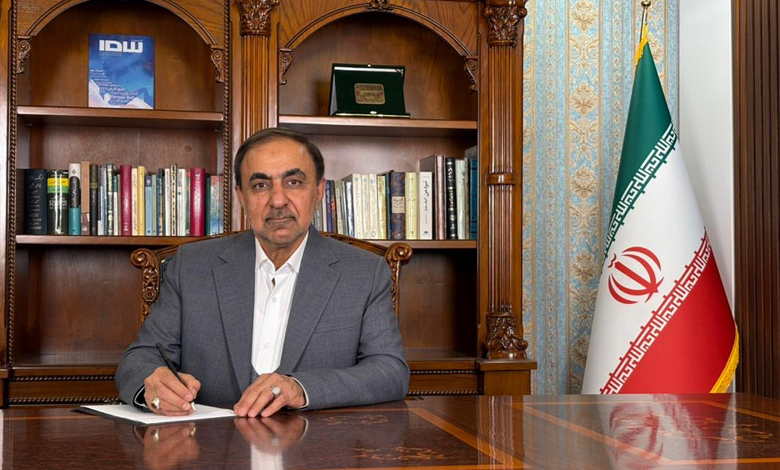
 Dr. Seyed Hamidreza Ghorashi – Editor-in-Chief
The phenomenon of globalization in the field of health is indebted to the innovative advancements of the nineteenth century and the identification of many major pathogenic microorganisms and their epidemiology in the early twentieth century.
The spread of diseases and their international transmission has significantly highlighted the need for increased cooperation among countries to confront these diseases.
The foundation of complex international health systems dates back approximately 170 years. With the beginning of the twentieth century, the first international health organizations—such as the U.S. National Board of Health, the Rockefeller Foundation in the United States, and the International Office of Public Health in Europe—were established.
The rapid crossing of diseases over international borders, along with the possibility of transmitting pathogenic viruses within a few hours from one location to another in a borderless world, threatening societies, economic growth, and development, has made countries increasingly aware of the necessity of strong international communication in the health sector within the rapidly evolving geopolitical landscape.
Diplomacy is often described as the science and art of conducting negotiations and establishing international relations through the intervention of professional diplomats. This skill is generally used to transform a country’s long-term objectives from potential to actual outcomes.
More accurately, diplomacy is the practical means of achieving goals through dialogue, interaction, negotiation, and exchange. Diplomacy is indeed a very cost-effective, reasonable, and logical method based on engagement, broadly aimed at preserving and expanding a nation’s identity, prestige, and reputation, and contributing to the realization of desired national objectives through the best and most appropriate means. Achieving long-term national interests through negotiations and cooperation among states has become a preferred and valuable option for all countries—both developed and developing.
Numerous meanings have been assigned to diplomacy, and countless books and sources have been written on this subject. These meanings and concepts have fluctuated over time. However, what has consistently remained central—especially since the emergence of nation-states—has been political dialogue, exchange of views, and negotiations between governments to resolve disputes or form alliances and unions, either in support of or against others.
Most classical definitions of diplomacy revolved around war, peace, and the conclusion of related treaties. Naturally, the people and non-political issues concerning them played little to no role in this type of diplomacy. The history of diplomacy, from this perspective, is the history of interactions between states, their conflicts of interest, and efforts to resolve them through negotiation.
Expanded forms of diplomacy and topics emerging from modern needs—especially after World Wars I and II—have reshaped this field. The areas of health and public well-being have become among the most important concerns for the post-war generations. Redefining the role of human beings and emphasizing the value of human life and well-being—physically and mentally—with the aim of prolonging life on earth has become a core mission of many international organizations established after World War II.
Accordingly, the combination of diplomacy with the health sector has produced a new interdisciplinary scientific concept known as Health Diplomacy, which has opened a new chapter in political interactions among nations. Although, based on traditional definitions, health diplomacy refers to efforts to combat diseases that cross borders rapidly and threaten economic growth and national development, the expanding scope of this concept—particularly in the modern era—requires a broader definition.
According to contemporary definitions, health diplomacy consists of applying negotiation, dialogue, and transnational cooperation with the objective of improving global public health at the macro level, and enhancing health security and well-being for individuals within countries. Within this framework, diplomacy becomes a suitable and prepared platform for addressing one of humanity’s most essential needs. In essence, the combination of these two fields highlights respect for human life and health.
Health diplomacy focuses on understanding the political mechanisms governing the health sector and seeking to maximize national interests and citizens’ welfare by relying on the concept of health and working toward its development among political entities.
The growing shift away from the use of hard power or military force to influence the behavior and interests of political actors has increasingly paved the way for negotiation and dialogue in various domains essential to human societies. Health, and the attention to it, is among these new areas that emphasize respect for humanity and the need to protect individuals in all societies by reducing disease and promoting well-being.
Many of the challenges facing global health have created demand for more coherent diplomatic policies under the framework of Global Health Diplomacy, making global health one of the central components of foreign policy and soft power.
One of the most important issues of the past two decades has been the position of the Iranian health system among the countries of Southwest Asia. Compared to most countries in the region and even beyond, Iran’s health system enjoys a prominent and distinguished standing. This favorable position has made Iran one of the leading medical destinations in the region. This brings numerous benefits, such as the expansion of national and international interactions through health-driven pathways, building various connections between health-related institutions and populations, expanding transnational cooperation, strengthening national capacity and authority through public diplomacy, countering sanctions aimed at isolating Iran, generating sustainable and substantial revenue for the country, creating employment opportunities for health sector workers in both public and private sectors, expanding health-related businesses in surrounding regions, and enhancing Iran’s scientific and political prestige while contributing to the optimization of health-oriented policies.
On the other hand, Iran is located in a tense region in Southwest Asia, facing many challenges—especially environmental issues (dust storms, drought), economic pressures, sanctions, regional conflicts, and pandemics.
Transnational health diplomacy, with its focus on shared regional and international cooperation, offers pathways to address these challenges. In this context, the unique role of the Islamic Republic in promoting justice and resilience in an increasingly turbulent world must be acknowledged. Therefore, this issue of the journal seeks to provide articles addressing these themes with the hope that they will be useful to interested readers.