

Revisiting the Concept of National Authority in the Recent Speeches of the Supreme Leader
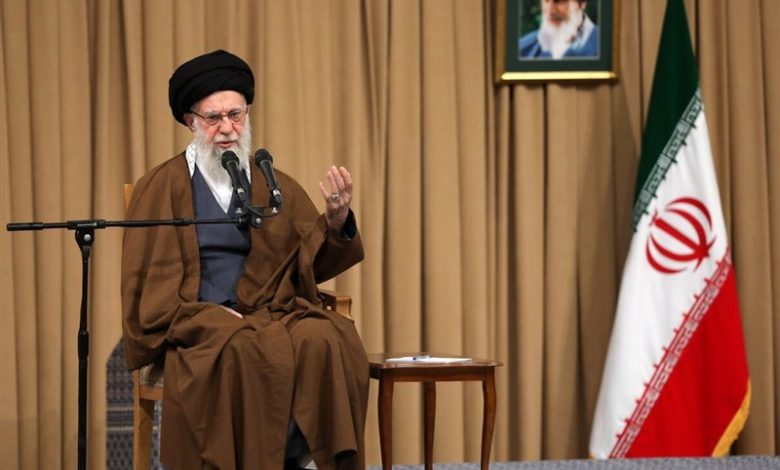
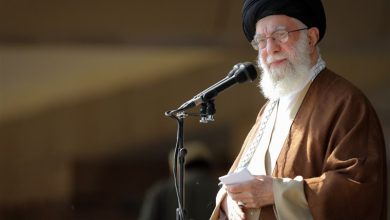
According to the Sedaye Sama News Agency, In the recent speech of the Supreme Leader of the Islamic Revolution, the concept of national power in an era of global disorder and upheaval was revisited, with Basij identified as the core of this power. Basij is not merely a ceremonial or defensive institution; it is a social force rooted in faith, zeal, justice-seeking, and historical responsibility, sustained across generations, and serving as the spiritual infrastructure of national security amid the geopolitical shifts of West Asia.
The Leader emphasized the popular nature of Basij. Unlike historical examples elsewhere, today’s Basij in Iran is voluntary, value-based, and internally generated, encompassing all active and responsible individuals in fields such as science, industry, culture, medicine, and media, forming a multi-layered network of solidarity, defense, and identity, with high social resilience.
This network first manifested in the Twelve-Day War, demonstrating that the line between military and scientific jihad has effectively been removed in Iran. The martyrdom of scientists, the contributions of engineers, and the active role of youth in narrative management highlight the model of “scientific Basij.”
The Supreme Leader, by pointing to the defeat of the United States and the Zionist regime in this war, illustrated a shift in the balance of power, showing that the enemy failed to achieve any strategic objectives. This victory was rooted in faithful social capital and national unity, transforming Iran from a passive actor into an active and influential shaper of the international order.
Analyzing the current role of the U.S. in global affairs was also key. The Leader labeled America as the “most despised international actor” and Netanyahu as “the most despised man in the world,” reflecting the decline of U.S. popularity in Europe, Latin America, and West Asia, its strategic miscalculations in Ukraine, and failures in Gaza, Lebanon, and Syria.
Ultimately, the speech underscores that national power in Iran combines hard power with social and spiritual capital. Sole reliance on military or economic tools, without a network of faithful, participatory society, cannot secure Iran’s influence globally. Sustaining national power through Basij and comprehensive societal engagement defines Iran’s future path within the international order.
source: tasnim