

The gradual exit of the Taliban from diplomatic isolation
Four years after the Taliban’s return to power, the process that initially came with almost complete international isolation is gradually giving way to a redefinition of many countries’ relations with Afghanistan’s new rulers. Diplomatic visits, the reopening of missions, security consultations, and even counterterrorism cooperation are signs pointing to the warming of relations between Kabul and a diverse set of states.
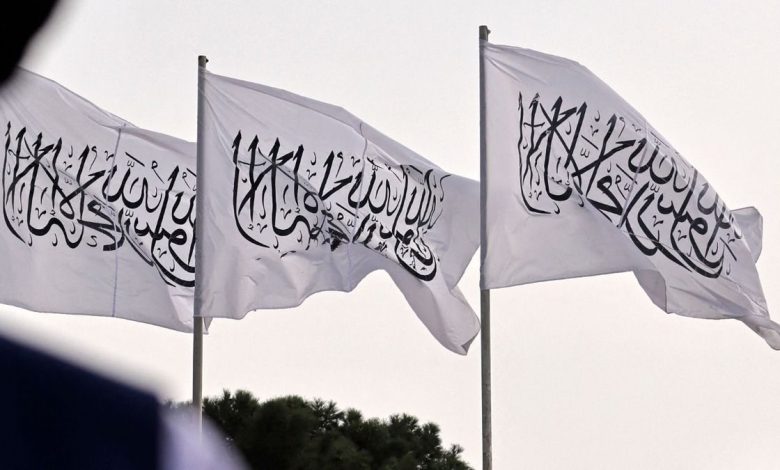
Four years after the Taliban’s return to power, the process that initially came with near-total international isolation is gradually being replaced by a redefinition of many countries’ relations with Afghanistan’s new rulers. Diplomatic visits, the reopening of missions, security consultations, and even counterterrorism cooperation all signal warming ties between Kabul and a diverse range of states.
According to the Financial Times, the first signs of this shift emerged from major Asian powers. Since 2024, China and Russia have effectively resumed relations with the Taliban government: Russia through formal recognition and China through a form of de facto recognition that has paved the way for mining and trade cooperation. Their motivations are driven less by ideology and more by security concerns, controlling extremist groups, and leveraging Afghanistan’s geo-economic potential.
Meanwhile, India — traditionally an opponent of the Taliban due to its geopolitical rivalry with Pakistan — has adopted a more pragmatic approach. The visit of the Taliban’s foreign minister to New Delhi and the expression of interest in involving Indian companies in Afghanistan’s mining sector signal a shift from historical hostility to economic and political dialogue.
This trend has also appeared in Europe. Despite strong criticism of women’s rights conditions, some European governments have opened communication channels with the Taliban to facilitate the return of migrants and manage security issues, aiming to prevent humanitarian and security crises with cross-border implications.
The United States, despite its often contradictory stance toward the Taliban, has cooperated with Kabul in combating ISIS-K. Some U.S. officials have assessed the Taliban’s efforts against extremist branches as positive, though Washington continues its restrictive policy regarding frozen Afghan assets and the structure of Taliban governance.
In contrast to these developments, Taliban–Pakistan relations have entered an unusually tense phase. Islamabad accuses Kabul of supporting anti-Pakistan militants, and recent months have seen border clashes, mass deportations of refugees, and threats of military action. Disputes over the Tehrik-e-Taliban Pakistan (TTP) and eastern border security have directly affected the multi-billion-dollar bilateral trade. This rift has opened space for the Taliban to strengthen ties with alternative actors such as Iran and India, particularly through enhanced transit routes via the Chabahar port.
Despite the gradual warming of Afghanistan’s foreign relations, the country’s economic crisis remains. Poverty, the exclusion of women from economic life, the reduction of Western aid, and the continued freezing of foreign reserves have left the Afghan economy fragile. The return of migrants from neighboring countries has added further strain to the labor market and social services.
It appears that the Taliban are attempting to reshape their external relations to secure a less costly position within regional and international systems. However, the success of this strategy depends on managing security challenges, implementing economic reforms, and adopting a more realistic approach to their surroundings — factors that will ultimately shape Kabul’s future relations with the world.
Source: Donya-e-Eqtesad