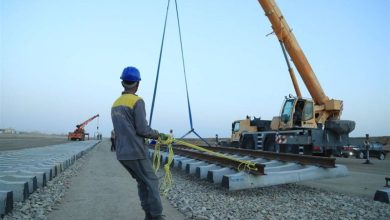


Workforce migration from the industry
In recent years, the shortage of labor in various industries in Iran has become one of the major concerns for producers. Industrial units that once faced long queues of job applicants are now struggling to attract even unskilled workers. This situation reflects deep changes in the employment structure, the preferences of the new generation, and the country’s economic conditions.
According to the “Shamakh Sanat” report, the employment and workforce utilization index has remained below 50 for 14 consecutive months, highlighting the depth of the labor crisis in the industrial sector. Inflationary pressures and the decline in real wages have led individuals to seek alternative and quick-income jobs, while production units face issues such as energy constraints, outdated equipment, high raw material costs, and delayed wage payments.
These factors have reduced the attractiveness of industrial work and shifted competition in favor of the service sector. At the same time, the changing attitudes and expectations of the new generation present a new challenge for industries, as they are accustomed to flexible workplaces and diverse income opportunities and show less interest in traditional and heavy industries.
In the textile industry, attracting unskilled labor has become a serious challenge due to the appeal of quick-income jobs and the economic weakness of production units. Many people prefer to earn daily income through ride-hailing services or other fast-income opportunities, even if such work involves physical strain and equipment wear.
Employment data show that professional workers are attracted to industries if they receive benefits such as life and supplementary insurance, while unskilled and single workers focus more on daily income and gravitate toward service jobs. The government must actively promote industrial work and provide tangible support for unskilled workers.
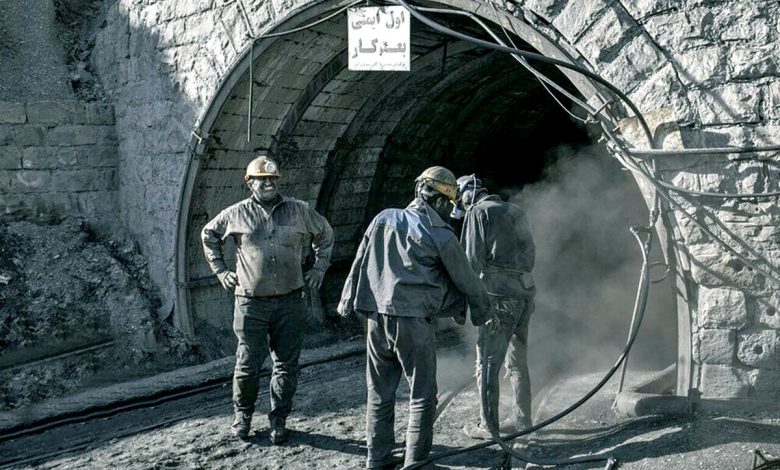
In the mining sector, labor shortages have caused extraction to halt in some units. Inflation, declining purchasing power, harsh working conditions, and insufficient wages have made many reluctant to work in this field. Even increasing wages to 30–40 million tomans has not solved the problem, forcing some units to employ foreign workers.
The main issue in mining and other industries is the small scale of the national economy, which limits the ability to raise wages without reducing investors’ costs. Equipment priced higher than global rates and high bank interest prevent wage increases, and economic uncertainty disproportionately affects low-income workers.
In the steel industry, differences in culture and expectations between the new generation and previous generations, along with low motivation and weak practical skills, have reduced the willingness to work. Outdated technology and traditional industry structures create a technological gap that lowers satisfaction and motivation among new workers.
The new generation expects faster career advancement and modern workplaces, which heavy industries cannot provide. Electricity and gas limitations, outdated technology, and high production costs also increase overall costs and reduce industrial competitiveness, intensifying competition among companies for attracting labor.
Overall, the declining willingness of workers to engage in industries results from a combination of difficult economic conditions, the appeal of quick-income jobs, and the gap between the new generation’s expectations and the industrial structure. Overcoming this crisis requires technology modernization, wage policy reform, and real incentives for workers to return to the production sector, preserving production capacity and industrial competitiveness.
source: donyaye eghtesad