

The Government Is Not a Good Trader; Non-Oil Exports Are Victims of Faulty Energy Governance
When Energy Governance Goes Wrong, Exports Falter as Well
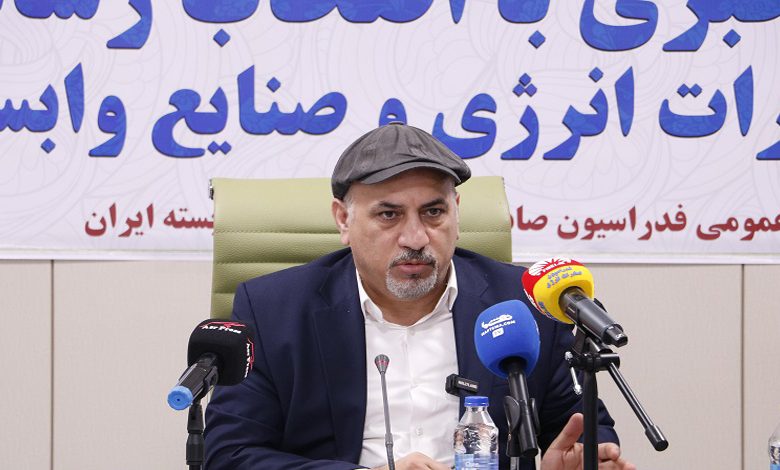
 Habibeh Rahimiyan, reporter for Sadaye Sama
While Iran’s upstream policy documents had envisaged USD 200 billion in non-oil exports, official figures indicate that only USD 45–50 billion has been realized. This significant gap was examined at a meeting of the Iran Energy Export Federation, where the roots of the problem were attributed to misguided government policies.
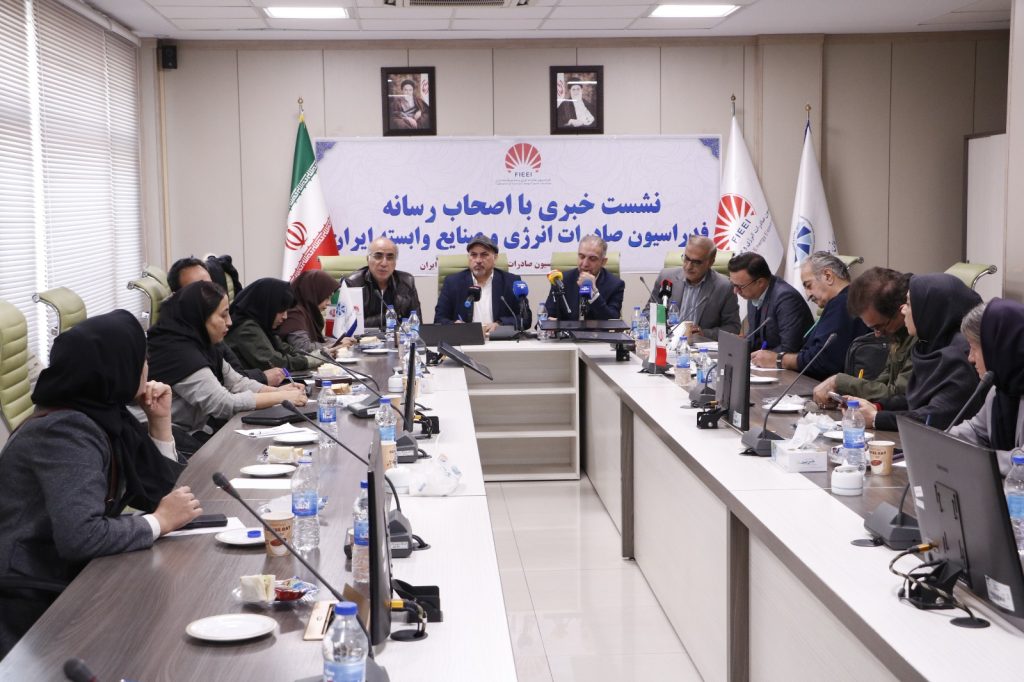
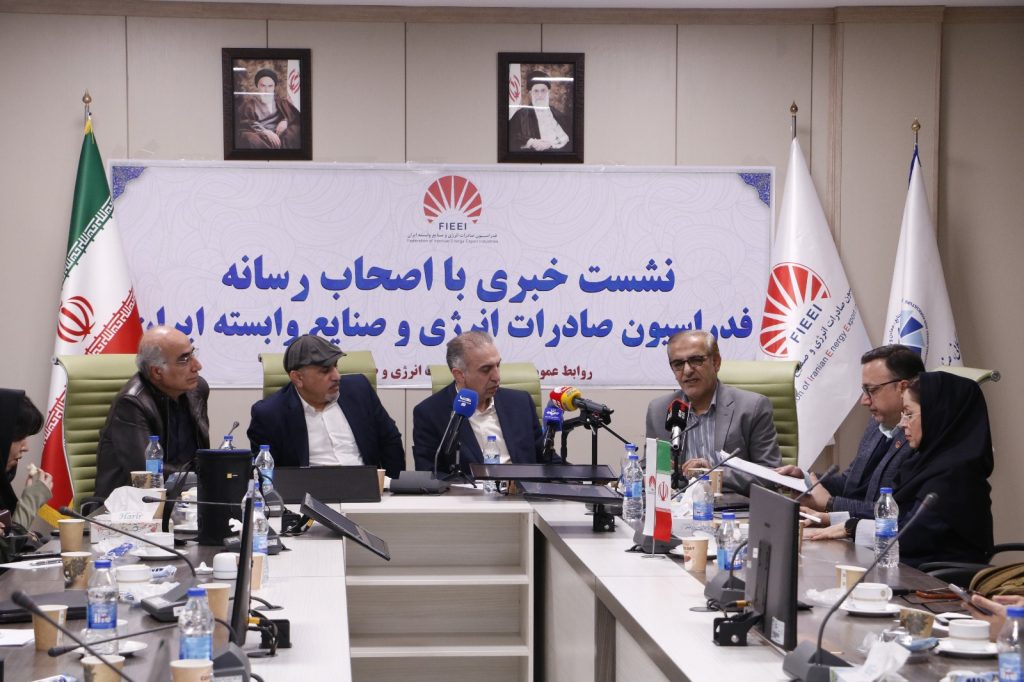
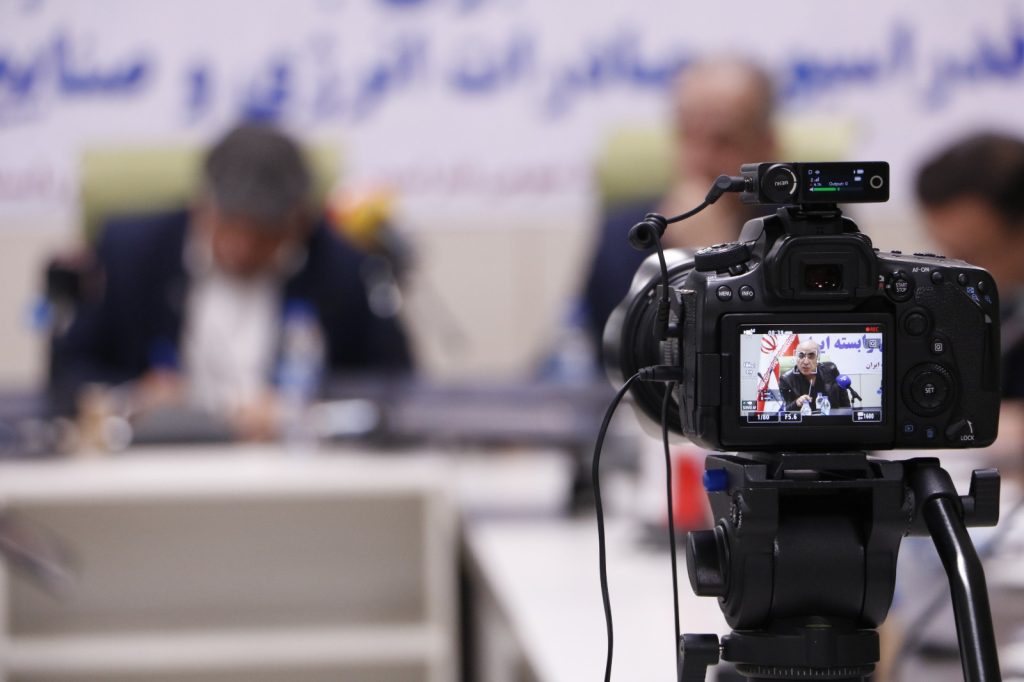
According to the Sedaye Sama News Agency, a press conference titled “Obstacles to the Development of Non-Oil Exports in the Energy Sector” was held with the participation of senior executives from energy, petrochemical, power, and technical and engineering services associations, as well as members of the media.
At the meeting, Hamidreza Salehi, Chairman of the Board of the Iran Energy Export Federation, referred to the federation’s activities and stated:
“The Energy Export Federation seeks to leverage the existing capacities of its members and, in cooperation with the media as the fourth pillar of democracy, create an effective platform for advocacy and accountability. This process aims to reform government policies and decisions and improve the country’s business environment and economic infrastructure, particularly in the export sector.”
He added:
“Based on the current track record, it appears that governance does not regard oil and non-oil exports as a priority, and no governmental body has been specifically tasked with export affairs to prevent the deterioration of the current critical situation.”
Referring to the goals set out in Iran’s upstream documents, Salehi said:
“According to the 20-year development plans, Iran’s non-oil exports were expected to reach USD 200 billion by the 2025 horizon, generating around 80 percent of foreign exchange revenues. However, current statistics show that total non-oil exports amount to only USD 45–50 billion, reflecting a substantial gap from the projected targets.”
He noted that multiple factors have prevented the realization of these objectives, adding:
“This meeting aims to thoroughly examine these barriers. The Iran Energy Export Federation and Related Industries currently comprises 23 major specialized associations in oil, gas, electricity, telecommunications, construction, technical and engineering services, and renewable energy—sectors that account for the bulk of the country’s non-oil exports.”
Salehi continued:
“Members of the federation account for approximately 65–70 percent of Iran’s non-oil exports. They can be described as the frontline officers of the country’s non-oil export sector. However, their potential capacity far exceeds the current situation, and they can play a much more significant role in generating national revenue.”
He identified foreign exchange repatriation requirements and currency commitment policies as among the most serious constraints, stating:
“These policies have led to the loss of major revenue opportunities for the country. In addition, the multiple exchange rate system and numerous trading mechanisms have trapped economic actors in a chronic dilemma, preventing them from taking advantage of export opportunities.”
Salehi added:
“The purpose of raising these issues is to present a clear picture of the capacities available within the federation’s members and their potential role in the future of the national economy. We hope that policy reforms will fully activate these capacities.”
He emphasized:
“Today, the situation has reversed, and the government is obstructing the private sector and preventing it from helping solve the country’s problems. The government must change its behavior and assume its proper role. Only then will the private sector step forward with solutions to the energy challenge.”
Stressing the readiness of the private sector, he said:
“The private sector has repeatedly declared its ability to engage actively in non-oil exports, provided that the government abandons monopolistic practices and price controls.”
Criticizing government approaches, Salehi noted:
“When energy governance follows a wrong path, it inevitably pushes other sectors onto the same misguided trajectory in order to justify its policies.”
He added:
“At present, non-oil exports do not seem to be a priority for the government. You cannot find a single official whose primary responsibility is export development. Everyone talks about imports, while no one is accountable for thinking about exports from morning to night.”
He concluded:
“The core issue is that the government must withdraw from its current position in the energy and economic spheres, because the government can never be a successful trader.”
The Chairman of the Board of the Iran Energy Export Federation and Related Industries stated that the private sector can replace the government in many areas and play a significant role in generating USD 40–50 billion in exports of technical and engineering services and energy-related services, without relying on oil revenues.
He added:
“If energy transmission lines in the gas and electricity sectors had been connected to neighboring countries in past years, Iran would today be benefiting from substantial economic returns. However, in the energy sector, the private sector has effectively been ignored.”
Referring to the country’s gas shortage, he said:
“We have repeatedly announced our readiness to invest in resolving the gas deficit, but the government continues to insist on maintaining ownership rather than enabling partnerships.”
He noted:
“There is no long-term, development-oriented approach in government programs, and this same mindset is reflected in the country’s monetary and foreign exchange system.”
Criticizing currency and monetary policies, Salehi stated:
“Today, the Central Bank is widely regarded as the main culprit behind the decline in foreign-currency-generating exports. Governments equate power with ownership, while companies such as the National Iranian Oil Company and Tavanir hold assets worth over USD 1 trillion, yet these assets have not translated into foreign exchange revenues.”
He continued:
“Private companies can help reduce the electricity imbalance and even invest in power plant development along Iran’s coastlines.”
Emphasizing the need to boost export revenues, the Chairman said:
“All indicators show that the country must move toward expanding export-based revenues, yet government intervention has eliminated many of these opportunities. For example, following the President’s visit to Armenia, it became clear that the country requires LPG, which represents a serious export opportunity for Iran.”
Addressing the electricity imbalance, he noted:
“With proper decision-making, the electricity imbalance can be resolved within two to three years.”
He criticized the current economic model, stating:
“While power plants sell electricity at around 4,000 tomans, the government purchases it at a much lower price and exports it at higher rates. This economic model is not sustainable.”
Referring to blocked foreign exchange resources, he added:
“More than USD 100 billion in energy subsidies are paid annually, placing heavy pressure on the national economy.”
He concluded:
“Although the capacity to resolve imbalances exists in the energy sector, the private sector has not even been permitted to export renewable electricity.”
Finally, he stressed:
“The dominant culture in the country has been an import-oriented one, and governments have acted with an oil-dependent mindset. Export development requires a clearly designated authority within the government, and the role of the President in supporting exporters and negotiating on behalf of contractors is critically important.”