

Venezuela on the Brink of War or Stability? A Field Report from a Country in Confrontation with the United States
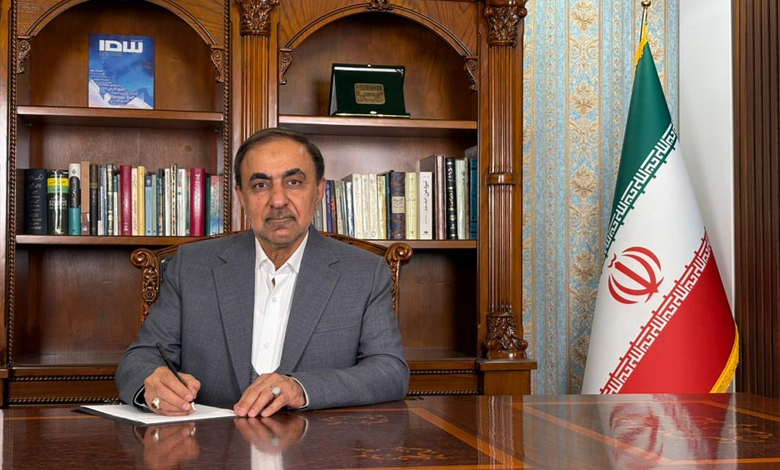
 Dr. Seyed Hamidreza Ghorayshi
Special Correspondent of Sedaye Sama in Caracas, Venezuela
In light of the media atmosphere surrounding Venezuela, which is portrayed as being in confrontation with the United States, we decided to examine the situation on the ground in order to clarify the existing narrative.
Direct field observations on Monday, December 17, 2025, indicate that four months after the first confrontation between U.S. imperialism and vessels (which the United States claims were carrying narcotics), a tense atmosphere emerged. Many countries believed that the United States would launch an attack and that Maduro would fall.
The dollar exchange rate rose sharply, and people endured significant economic pressure. Under these circumstances, the U.S. expected people to take to the streets and celebrate Maduro’s downfall. However, it failed to recognize that this nation—shaped by the historical experience of Simón Bolívar and revived by Hugo Chávez—has preserved its spirit of resistance under Maduro.
The Venezuelan people endured even harsher conditions during the years 2017 to 2019, known as the period of famine in Venezuela. It must be acknowledged that conditions today are far better than at that time, with neither widespread insecurity nor extreme poverty. For example, I am currently at the Bolivarian University waiting to meet the vice president of the university, and life is proceeding normally. Everyone we speak with believes in Chávez and Maduro and unanimously agrees on defending the country.
Two years ago, we interviewed 40 intellectuals regarding Bolivarian discourse and its connection to Iranian, Latin American, and Venezuelan culture, and identified its key indicators. It became clear that even opposition figures, despite dissatisfaction with the current president, would firmly resist any U.S. attack (similar to the twelve-day war experience).
To instigate unrest, CIA agents were dispatched but were arrested by the armed forces before any action could be taken. Approximately 40% of the population supports Maduro, while 30% are radical revolutionaries loyal to Chávez, who would confront Maduro himself if he deviates from Chávez’s path.
Nevertheless, misleading narratives are circulating on social media, aiming to “Syrianize” Venezuela and suggest that the country is on the verge of collapse, that investments in the Axis of Resistance will be wasted, and that resistance against the U.S. is futile. Rumors have also claimed that Maduro fled to Cuba, Russia, or Turkey and asked to secure his assets—these claims are completely false. Comparing Maduro to Bashar al-Assad is incorrect; Maduro is a disciple of Chávez and embodies resistance. Armed guerrilla groups are firmly committed to defending him.
The people have received extensive training to confront the United States, and between four to eight million individuals have been mobilized. Given these developments—which did not exist four months ago—it appears that the shadow of war has receded from the country. Even Turkish Airlines flights are resuming, following a phone call and agreement between Maduro and Erdoğan.
It must be noted that Maduro is a dealmaker and holds the upper hand in diplomatic engagements. The United States seeks oil and may ease pressure on Venezuela by gaining control over several refineries.
We, therefore, must focus on the growth and consolidation of the ideology of resistance, which has taken root across the world thanks to the sacrifices of noble martyrs.
Is not the dawn near?