

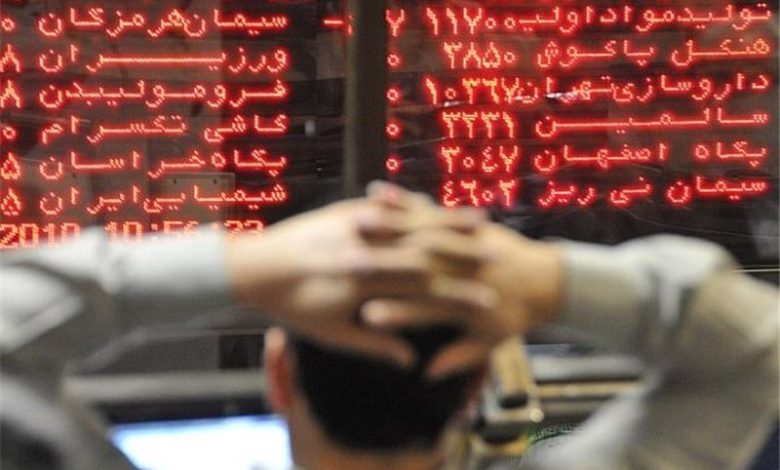
During last week’s trading, the Tehran Stock Exchange witnessed a confrontation between two trends: on one hand, the positive impact of strong fundamental reports, and on the other, political and informational uncertainties that weighed on the decisions of investors and traders.
Accordingly, during the first two days of the week, both the main index and the equal-weight index moved upward in tandem. However, from Tuesday onward, their paths diverged. The main index, pressured by large-cap stocks—particularly petrochemical and dollar-linked companies—fell by 0.67% on Wednesday, although it still recorded a weekly gain of 1.64%.
In contrast, the equal-weight index remained positive throughout the week, rising by 4.43% over four trading days. This performance indicates that smart money has shifted toward small- and mid-cap stocks with favorable financial reports, especially in the automotive, pharmaceutical, cement, and food industries.
According to experts, nine-month financial reports were the main driver of this growth. This was accompanied by a smart reallocation of liquidity, leading to capital outflows from large-cap stocks and inflows into smaller groups. This shift reflects a relative maturation of the equity market and a search for new investment opportunities.
Conversely, informational uncertainty worked against the stock market, as a lack of transparency regarding the exchange rate and limited access to news increased rumors and volatility in dollar-based stocks. Nevertheless, trading value remained at an acceptable level, with the average weekly trading value reaching around 23 trillion tomans, indicating that market liquidity has been preserved.
Given last week’s developments, two main factors are expected to influence the market in the coming week. The first consists of positive drivers supporting the upward trend, most notably the continued impact of fundamental reports. Experts believe that the release of January monthly reports and greater clarity regarding the effect of the official (NIMA) exchange rate on the profitability of export-oriented companies could serve as new catalysts for market activity. In addition, valuation attractiveness is another supportive factor, as the market’s P/E ratio has declined to around 8, enhancing its appeal for capital inflows.
Moreover, investors’ focus on small- and mid-cap stocks is expected to continue in the days ahead, with the possibility of sustained capital inflows into these segments, provided that favorable monthly reports are published.
On the other hand, some analysts caution that uncertainty over the exchange rate and political developments may act as a brake on the market’s upward momentum in the coming week. Any volatility in the broader macroeconomic environment or lack of transparency in currency policy could generate selling pressure, particularly on large-cap stocks. Additionally, the continuation of high interest rates above 39% could increase companies’ financing costs and represent a systemic risk.
Overall, experts believe that after the solid growth recorded over recent months, the Tehran Stock Exchange is entering a new phase—one that can be described as a transition from broad-based growth to selective, report-driven growth. Accordingly, this trend is likely to persist in the week ahead.
However, until the broader economic and informational environment becomes clearer, limited volatility will remain an inherent feature of the capital market. Informed investors can take advantage of these conditions by focusing on stocks with strong operational reports and avoiding decisions based on rumors.