


The Impact of Cold Weather on the Grain Market
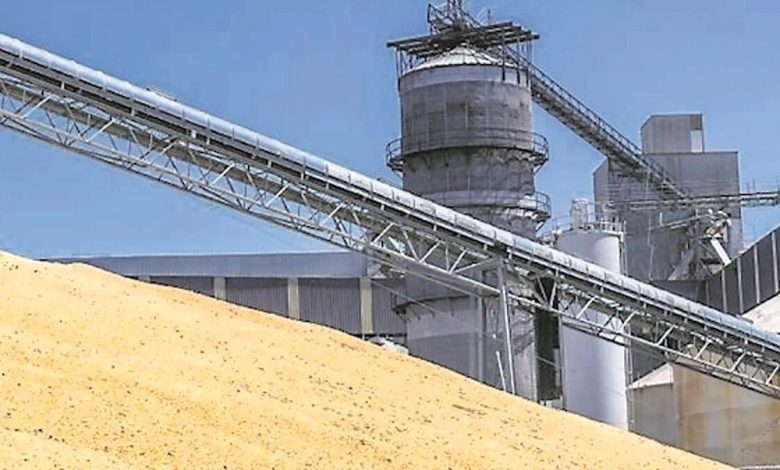
The cold wave that froze parts of the Mississippi River had significant effects on the North American grain market during the week ending January 23. The situation led to higher corn transportation costs in the United States, rising wheat prices across North America, and increased values for DDGS (distillers dried grains with solubles). Market participants believe that winter disruptions combined with higher energy costs have constrained short-term supply, pushing prices higher.
Market sources reported rising transportation costs to New Orleans and higher FOB prices in the U.S. Gulf region.
Although prices were relatively stable on January 19 and 20, a noticeable increase occurred on January 22. CIF New Orleans prices for January delivery rose by $2.10 per metric ton, February delivery increased by $1.70 per metric ton, and FOB U.S. Gulf prices for March delivery climbed by $3.25 per metric ton. Traders attribute the increase primarily to higher transportation costs in the CIF New Orleans market. According to market participants, the combination of cold weather and current political–trade conditions has been a key driver of the price rise.
Severe cold can also affect grain processing and put pressure on ethanol production. The U.S. Energy Information Administration reported that ethanol production averaged 1.119 million barrels per day in the week ending January 16, down 77,000 barrels per day from the previous week. According to Platts assessments, FOB U.S. Gulf prices for March delivery reached $432.75 per metric ton on January 23, while CIF New Orleans prices for February delivery were assessed at $430.18 per metric ton.
Strengthening of the DDGS Market
The U.S. DDGS market strengthened during the week ending January 23. Winter cold, disruptions to river and rail transportation, and rising natural gas prices put pressure on production and logistics, limiting short-term supply. One trader said the extreme cold has “made the market nervous,” adding that further declines in temperatures could lead to tighter rail markets. He also noted that higher natural gas prices have prompted some ethanol producers to consider shutting down dryers to reduce costs.
Market participants said river restrictions have forced the CIF market to raise prices to secure barge supply. Difficult logistics in the Chicago truck market have also contributed to firmer prices.
Platts assessed DDGS prices in the CIF New Orleans market at $220 per metric ton for January delivery and $175 per metric ton in the Chicago truck market for February delivery.
Surge in Wheat Prices
U.S. Department of Agriculture data show that temperatures in the Northern Plains fell below zero degrees Fahrenheit, reaching minus 20 degrees Fahrenheit in North Dakota, increasing the risk of winterkill in winter wheat. Concerns over winter damage drove wheat futures prices higher. On January 22, hard red spring wheat futures on the MIAX exchange rose by 7 to 10 cents, while on January 23, Kansas City hard red winter wheat and Chicago soft red winter wheat posted further gains.
According to Aaron Gerdts, senior grains analyst at S&P, many winter wheat-growing regions were without snow cover on January 23 and were directly exposed to severe cold, although subsequent snowfall could provide some insulating protection. He added that damage is possible in certain areas but is not expected to be widespread.
In Canada, spring wheat prices also increased in line with gains in the U.S. market. Tight supply and low farmer selling interest helped maintain strong basis levels. Platts assessed Western Canadian spring red wheat with 13.5% protein on an FOB Vancouver basis for 30–45 day delivery at $257.78 per metric ton on January 23, up from January 21.
Source: Donya-e Eqtesad