

The ups and downs of the stock market over 7 days
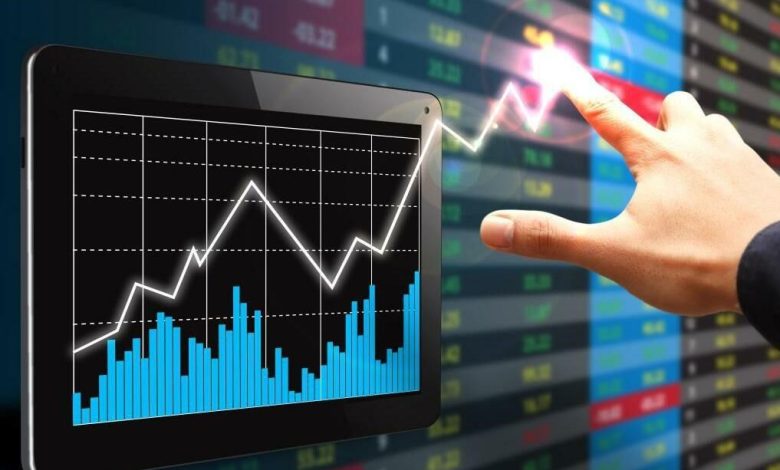
According to the Sedaye Sama News Agency, Mohammad-Hossein Alibakhshi, a capital market expert, evaluated the performance of financial markets over the past week and stated that the Tehran Stock Exchange recorded the highest return among parallel markets—such as gold, coins, currency, and the equal-weight index—by achieving a 3.6% increase in the main index. Gold and the equal-weight index followed with smaller gains. He noted that the main driver of last week’s growth was the potential reinstatement of tax exemptions for urea-producing industries, which drew strong investor attention to these stocks. The methanol sector and steel industry also performed positively, supported by higher-priced hot-rolled steel sheet trades on the Commodity Exchange, which in turn boosted leveraged funds.
He added that a combination of supportive news, incoming liquidity, and the market-maker’s intervention strengthened major index-moving stocks, although political rumors also influenced trading. Despite the all-time high breakout of the main index, increased supply was expected, and the trading value of around 13 trillion tomans indicated strong liquidity. Still, about 70% of tickers ended in negative territory, with liquidity flowing into industries such as sugar and metal ores and out of banking, petrochemicals, and basic metals. He emphasized that next week’s market direction will heavily depend on political developments and the Supreme Leader’s upcoming speech, while the rise in interest rates toward 37% poses a serious threat to the stock market.
Masoud Mahdian, another market analyst, described yesterday’s trading session as negative, with the main index dropping 22,000 points to 3.282 million. Despite selling pressure, retail trading value remained above 12 trillion tomans, though nearly 1 trillion tomans of outflows reflected rising caution among investors. According to him, the market entered a corrective phase after recent rallies, with geopolitical concerns being the primary trigger. The dollar rate, however, remained stable, indicating that much of the selling was emotional and rushed.
Mahdian argued that the market currently lacks the conditions for a deep correction, and with political and economic stability, it could resume its upward trend, potentially rising toward 3.4–3.6 million points. Key drivers of the market’s future path include the rise in the NIMA exchange rate, movement toward currency unification, adjustments to feedstock prices, and progress on privatizing automakers. He also highlighted the crucial role of the market-maker in channeling free liquidity—especially from gold and currency markets—into stocks. He added that geopolitical stability is essential for forming a new upward wave. Mahdian concluded that if political calm prevails at the end of the week, the market could stabilize above its breakout level and start a new bullish trend led by banking, refining, automotive, and multi-sector companies.
source: donyaye eghtesad