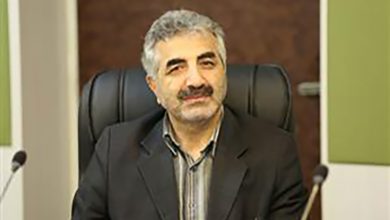


Fuel Product Smuggling: A Major Security and Economic Challenge
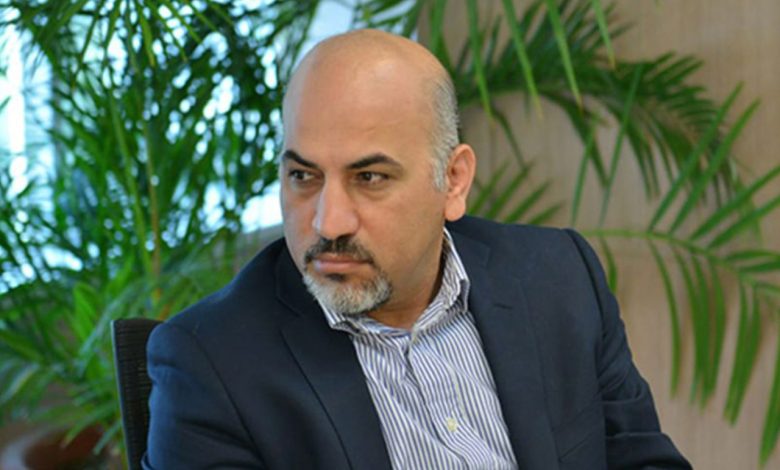
 Hamidreza Salehi, Vice-Chair of the Energy Commission of the Iranian Chamber of Commerce and President of the SATKA Association
In a situation where the capacity of refineries and fuel imports in our country does not meet domestic consumption, and annual consumption is continuously increasing, while no program exists to optimize usage, fuel smuggling causes significant problems. It not only creates fuel shortages but also threatens national and energy security.
One of the causes of smuggling is the price imbalance between countries. If a product is cheap in one country for any reason, this creates an opportunity to smuggle it into a neighboring country and sell it at a higher price. Since most goods smuggled from Iran are energy-subsidized—such as gasoline, diesel, premium gasoline, and aviation fuel—extremely high prices across the border enable smugglers to transport large amounts annually, which also contributes to domestic fuel shortages.
Another unfortunate issue is that, instead of returning the proceeds from fuel smuggling, alternative goods such as household appliances, car parts, and clothing are imported unofficially, duty-free, and at lower prices, harming local industries like textiles, clothing, and home appliances.
Iran has struggled with fuel smuggling for years, a consequence of energy prices not reflecting their true value over the past 20 years. Following the implementation of the price stabilization plan approved by the seventh parliament, fuel smuggling now occurs at both the eastern and western borders, with the eastern borders accounting for a larger share. Currently, around 7–8 million liters of fuel are smuggled daily.
It is clear that any economy should be based on growth and productivity, multiplying its resources and creating opportunities, with exports supporting domestic production and employment. However, Iran’s reliance on oil exports has historically led to neglect of other goods and an emphasis on imports.
The key question is: under what conditions does fuel or similar goods smuggling occur, and what is its root cause? Can it be considered merely the transport of a single barrel of fuel by individuals, such as “kolbars,” or is it occurring on a large scale, controlled by a powerful mafia with strong lobbying?
Currently, fuel smuggling accounts for about 7–8% of the daily 110 million liters of consumption, which is significant and creates major challenges for fuel balance.
Since smugglers cannot return the money through the banking system, they import other smuggled goods like clothing without customs duties and at lower prices, which destroys domestic production and leads to job losses in the textile and clothing sectors, thus harming these industries.
Addressing Fuel Smuggling: Economic Strategies and Energy Development
Therefore, fuel smuggling along multiple routes has caused significant harm to the country and created economic and security problems. It is necessary to address this issue fundamentally, rather than merely arresting a few smugglers for show, because everyone knows that a systematic network currently controls fuel smuggling.
Hence, the approach to fuel smuggling should be economic. The attractiveness of fuel smuggling must be reduced; for example, fuel prices should be raised in border areas where smuggling occurs, so that smugglers are not incentivized to purchase fuel from gas stations or involve others in the process.
One potential solution is gradually increasing fuel prices to realistic levels over two or three years in areas where smugglers are expected to procure or collect fuel. Evidence indicates that a large organized network is actively smuggling fuel in the eastern part of the country.
Regarding the future of the Middle East after phasing out fossil fuels, research institutions and regional countries have already taken measures. For instance, Saudi Arabia, one of the largest oil and fossil fuel producers, is moving toward renewable electricity generation and has signed a major contract with Japan to produce approximately 200,000 megawatts of solar power.
The UAE has built “Masdar City” as a fully smart city based on new energy sources. Other regional countries, such as Oman and Central Asian nations, have also begun similar initiatives. Overall, Middle Eastern countries need to transition more quickly from fossil fuels and use them for petrochemical feedstock and other products—a strategy adopted by the countries mentioned—which increases revenues and reduces carbon emissions.
Additionally, through renewable energy, innovation, and artificial intelligence, consumption can be optimized and resources can be utilized more efficiently.
Our country, ranked second in the world for gas reserves and fourth for oil, plays a major role in fossil fuel production. It has the potential to reduce fossil fuel consumption and convert it into export products for higher value. The petrochemical industry can also create new products using complex formulas. All these factors determine the economic, security, and political power of regional countries, including Iran.