

Productive Art and Culture «Part One»
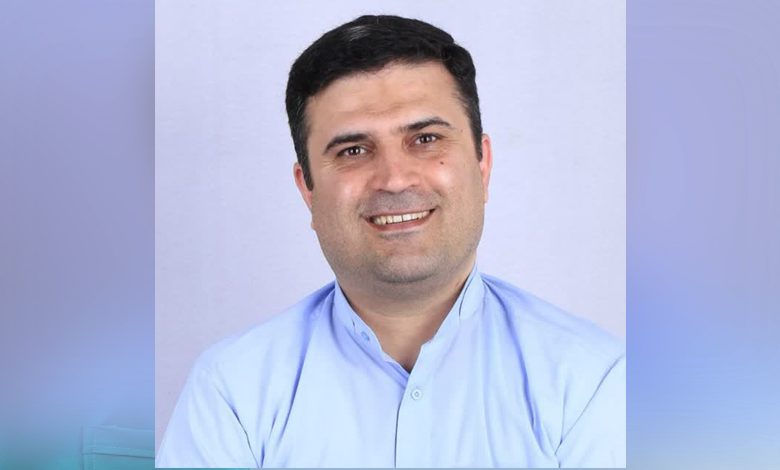
 Amirhossein Khodaei, Researcher
People-Based Cultural Governance and Sustainable Revenue Generation
Iran’s culture and arts are the country’s main competitive advantage globally. However, the cultural sector is still not productive and largely depends on government support, despite the fact that this very advantage can generate sustainable income and employment. Successful domestic and international experiences show that cultural industry villages, people-centered cultural activities, and the financial and managerial independence of institutions are key to making culture a productive sector.
Within the country, there are successful examples: active religious groups and mosques that engage in economic activities with the goal of cultural impact. If these experiences are expanded on a larger scale with facilitation by committed and effective actors, the country’s cultural capacities can be activated sustainably. Some major cultural institutions such as Iran’s national broadcasting organization, Owj Organization, the Art Bureau, and the Ministry of Culture and Islamic Guidance are still not productive and could, as in other countries, serve as financial supporters and facilitators for small grassroots cultural initiatives.
There are significant cultural capacities available to committed individuals: Husseiniyehs, mosques, schools, and educational institutions that are used only a few hours a day can be transformed into productive cultural and educational centers. Quranic, cultural, and artistic elites who are less visible in governmental institutions can, through facilitation in establishing independent cultural institutions, Quranic kindergartens, and non-governmental schools, achieve greater impact and income generation.
Successful Domestic and International Models and Examples of Cultural Revenue
Art Galleries and Permanent Exhibitions
Hosting exhibitions of artworks and handicrafts, selling works, offering supportive space rentals, short-term educational courses, and producing media content.
A sustainable revenue stream and attraction of cultural audiences.
1. Art Studios and Educational Workshops
Training in artistic skills, studio rentals, commissioned production, and digital content creation (short films, educational videos, podcasts).
A combination of education, production, and media with direct revenue.
2. Permanent Exhibitions and Small Museum Spaces
Displaying artworks and handicrafts, organizing guided tours, selling tickets and cultural products, and publishing content on social media.
Stable income, tourism attraction, and wealth creation through media.
3. Grassroots Social Capacities
(Mosques, Husseiniyehs, Schools, Parks)
Utilizing unused hours for art and educational classes, organizing cultural festivals and marketplaces, and publishing educational and media content.
Leveraging existing resources to create sustainable income and employment.
4. Educational Institutions and Cultural Cooperatives
Providing vocational and artistic training, organizing festivals and competitions, selling students’ artworks, and producing cultural products and media content (books, short films, educational videos, podcasts, and social media content).
Financial independence, skill development, and expanded public participation.
5. Handicraft Villages and Cultural Tourism
(e.g., Isfahan and Kashan)
Selling handicrafts, offering training workshops for tourists, organizing seasonal exhibitions, conducting cultural tourism tours, and producing visual and promotional content.
Direct income for artists and artisans, and attraction of domestic and international tourists.
6. Mosques and Cultural Associations with Economic Activities
(similar to cases in Tehran and Mashhad)
Organizing educational classes, selling cultural products, renting spaces for ceremonies and conferences, operating book cafés or cultural booths, and producing media and promotional content.
Covering part of the budget for cultural activities and enhancing social impact.
7. Comparable Successful International Experiences
Urban cultural districts (Montmartre in Paris, Asheville in the United States, Tokyo, and South Korea): galleries, studios, permanent exhibitions, art markets, cultural tourism tours, media production, and digital sales of artworks.
Collective art associations and groups: shared spaces, collective sales of artworks, joint exhibitions and workshops, commissioned projects, and use of media for promotion and sales.
8. Culture and Art: Content Parks and Facilitation
Similar to science and technology parks that aim to support innovation, facilitate startup activities, and generate revenue streams from science and technology, a comparable mechanism can be established for content production and cultural and artistic activities.
In this model:
Existing spaces and facilities (galleries, studios, exhibition halls, schools, Husseiniyehs, and mosques) are made available to cultural practitioners.
Managerial and financial facilitation is provided so that artists and small institutions can produce content and cultural products without operational concerns.
Support for content production and distribution is provided through digital formats, media, social networks, and in-person exhibitions in order to create sustainable revenue streams.
The core objective of this approach is to make culture and the arts productive, increase social impact, and establish independent financial flows for cultural and artistic practitioners—exactly analogous to the role that science and technology parks play in fostering scientific innovation.
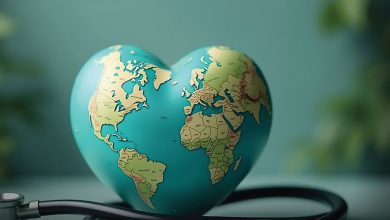
9. Iran: The Heart of the World in Handicrafts
Globally, there are approximately 500 registered handicraft disciplines, around 300 of which belong to Iran. This fact demonstrates Iran’s unique and unparalleled capacity in handicraft production. Many of these crafts can be offered not only in domestic markets but also internationally, as global demand for authentic, traditional, and artistic Iranian products is very high.
By creating educational spaces, exhibition venues, and professional marketing mechanisms, and by leveraging media and digital platforms, sustainable and significant income streams can be generated for artists and cultural practitioners, while simultaneously strengthening the global standing of Iranian art and culture.
Conclusion and Practical Takeaways
Culture and the arts become productive when:
existing spaces and tools (galleries, studios, exhibitions, and grassroots social capacities) are fully utilized;
activities are income-generating and accompanied by content production and media presence;
collective participation and financial independence are strengthened;
committed facilitation by key actors and people-based governance lead to maximum utilization of capacities and long-term, sustainable impact.