

Soleimani After Martyrdom – The Test of Loyalty and Continuation of the Legacy (Part Four)
Self-Belief and the Culture of Resistance
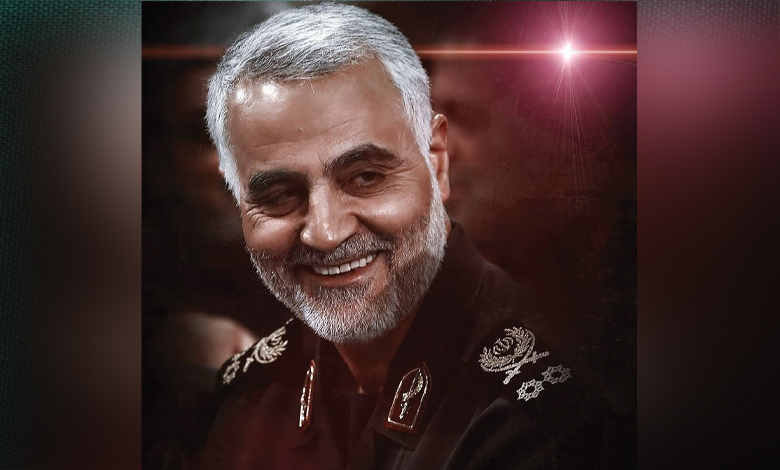
Through his active and on-the-ground presence alongside fighters of the Resistance—from Lebanon to Yemen and Iraq—Soleimani embedded a culture of resistance and self-belief in the hearts of nations. He demonstrated that even with limited resources and in the face of vast and centralized global powers, one can stand firm and prevail through faith, determination, and unity. This culture of resistance, which he shaped and promoted, was particularly inspiring for the younger generations of the region, encouraging them to remain steadfast and resilient in the face of oppression and occupation.
Cultural and Civilizational Impact
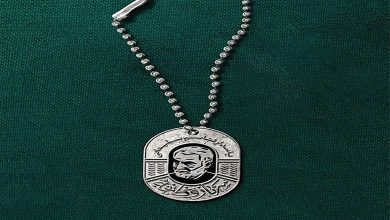
Following the martyrdom of the Commander, his name and memory have been widely preserved and honored through cultural, artistic, and literary forms across the world. The production of films and documentaries such as “The Borderless Commander” and “72 Hours” reflects the special place he holds in the hearts of the people. Likewise, the naming of streets, mosques, and public spaces after him in various countries of the region—from Iraq and Lebanon to Yemen—attests to his profound and enduring influence on contemporary culture and civilization.
In Iran, the organization of festivals such as the “International Resistance Festival”, along with the publication of literary works and personal memoirs like the book “I Was Afraid of Nothing”, combined with the attention of the media and artists, has contributed to the promotion of Soleimani’s mindset and spirit of resistance. On a global level, anti-war activists in Europe and the United States also praise him as a powerful symbol of resistance against imperialism and global arrogance.
Civilizational Future-Building
Soleimani’s legacy lies in his ability to outline a vision of a just and free future. Through his unwavering support for the oppressed in Palestine, Lebanon, Iraq, Syria, and Yemen, he demonstrated that resistance is not merely a military strategy, but rather a civilizational ideology and philosophy capable of guiding global structures toward justice, freedom, and security. The extensive network of resistance groups that he established laid the foundations of a resistance-based civilization—one capable of standing up to the system of global domination and offering a model for the future.
This legacy is gradually taking shape and expanding among the new generations of the region—generations influenced by Soleimani’s character and actions, who have sought to continue his path in military, political, and cultural arenas. The increase in youth participation in resistance groups, the emergence of cultural and social activities grounded in his ideals, and the preservation of his memory and path among nations all confirm the lasting and enduring impact of this prominent commander.