


Morgan Stanley Remains Bullish Despite Gold’s Decline
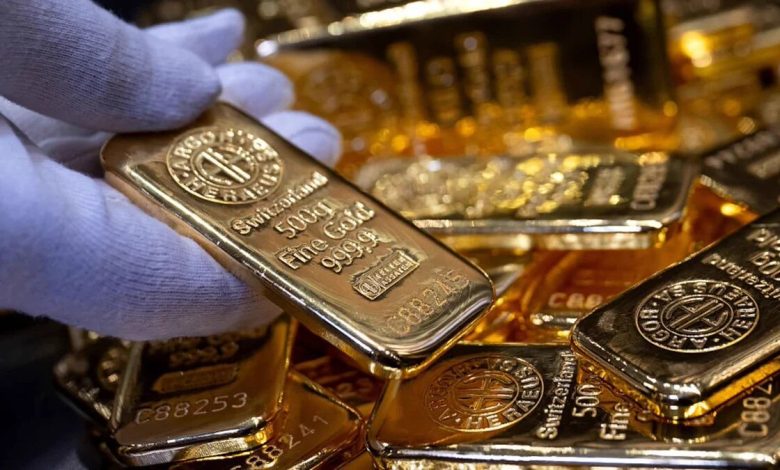
According to Seday-e Sama News Agency, citing CNBC, Amy Gower, Head of Metals and Mining Strategy at Morgan Stanley, says resilient physical demand and concerns over governments’ fiscal conditions continue to provide structural support for gold prices.
Gower highlighted factors that could support gold prices in the coming months, despite the recent sharp decline in global gold prices to near a seven-week low.
Gold futures were trading today at $4,212.60, up 0.77%. The spot price of gold stood at around $4,177 at the time of writing. This increase came after gold fell sharply in Monday’s trading, as concerns over rising bond yields raised the possibility that the appeal of non-yielding assets such as precious metals could weaken. Gold prices have fallen by around 10% over the past six months.
Nevertheless, physical demand for gold, particularly from central banks, remains strong. Data released earlier this month by the World Gold Council showed that central banks purchased a total of 23 tonnes of gold in July.
The Morgan Stanley strategist specifically pointed to China and Poland, which purchased 20 and eight tonnes of gold, respectively, in July. She told CNBC that China’s overall gold imports are on track to reach their highest level since 2017, adding that “China appears to have a very strong appetite for gold.”
The World Gold Council has stated that China’s total gold imports, including private-sector and institutional demand, exceeded 1,000 tonnes during the first eight months of the year.
Rising Concerns Over Governments’ Fiscal Conditions
The second factor is widespread market concern over long-term national debt and governments’ fiscal sustainability around the world. Although Gower acknowledged that rising bond yields remain a challenge for non-yielding assets such as gold, at a time when traders’ expectations of another Federal Reserve rate hike are increasing, any further policy intervention or change in market inflation expectations could benefit gold.
Gower reinforced her earlier argument by asking: “If we see more intervention in the long-term bond market and then yields fall again, what happens?”
Falling Oil Prices Could Benefit Gold
According to CNBC, amid media reports of separate talks between U.S. and Iranian officials and mediators aimed at ending the seven-month conflict in the Middle East, a rapid reduction in tensions could lead to lower oil prices.
Any decline in inflation expectations could also help contain upward pressure on interest rates and bond yields, thereby supporting gold prices.
12-Month Outlook for Gold
As the final quarter of 2026 approaches, Gower remains positive on gold over the 12-month outlook, although she acknowledges that, given the uncertain environment and economic ambiguities, as well as upcoming Federal Reserve meetings and economic data releases, the precious metal is likely to remain volatile.
The Morgan Stanley strategist concluded: “There are still many reasons to invest in gold. We view the $4,000 level as a very strong floor.”