


Customs Enters the Fight Against Money Laundering
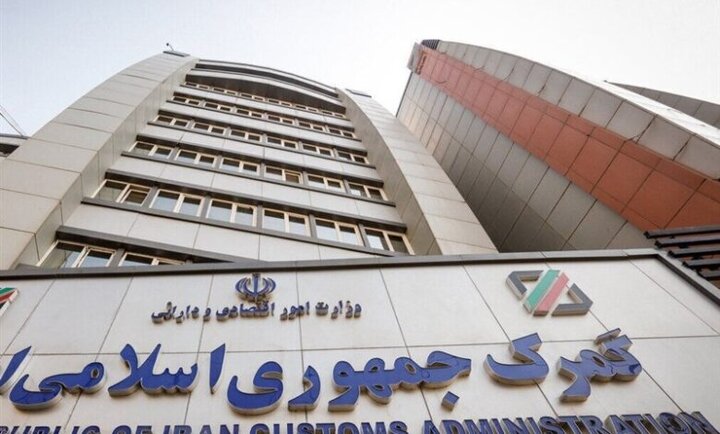
According to the Seda-ye Sama News Agency, combating money laundering is no longer solely a matter concerning the banking system and financial transactions. A significant portion of illicit or opaque financial flows can take place through foreign trade, imports, exports and the movement of goods. For this reason, customs authorities are considered an important link in the chain of preventing and detecting suspicious activities.
In this regard, Iran’s Customs Administration is pursuing a series of measures to strengthen oversight of trade and financial flows. These measures include reforming customs regulations and procedures, developing information databases, equipping customs offices with new inspection and control technologies, and strengthening oversight of the entry and exit of cash.
The Importance of Customs in Combating Money Laundering
Customs is a point where foreign trade, the movement of goods and part of the financial flows associated with trade intersect. The large volume of transactions and the diversity of goods and economic operators mean that customs controls should not be limited to identifying prohibited goods or smuggling; they can also play a role in preventing certain forms of illicit financial activity.
The more accurate and integrated customs information is regarding goods, owners of cargo, shipment values, trade routes and commercial records, the greater the ability to identify unusual patterns and suspicious cases.
From this perspective, upgrading customs information systems and databases is not merely a technological measure; it is also part of a preventive strategy against organized crime and money laundering.
Customs’ Plan to Combat Money Laundering
At a recent meeting of the main Anti-Money Laundering Task Force and the Council of Deputies of Iran’s Customs Administration, the organization’s plans in this area were reviewed.
At the meeting, attended by Farود Asgari, Deputy Minister of Economic Affairs and Finance and Head of Iran Customs Administration, Reza Goli, Director General of the Customs Administration’s Organized Crime Combating Center, presented a report on the customs authority’s operational measures to implement programs issued by the Supreme Council for Combating and Preventing Money Laundering and Terrorist Financing.
The measures focus on several key areas, including reforming laws and regulations, upgrading databases and information systems, reviewing procedures, using modern inspection equipment, and increasing oversight of the entry and exit of cash.
Moving from Traditional Controls to Smart Oversight
One of the major developments in combating commercial and financial violations is reducing reliance on traditional controls and moving toward broader use of data and technology.
By accessing information on goods, commercial operators and transaction histories, customs offices can develop a more accurate picture of trade flows. Strengthening databases and connecting and updating data can therefore improve risk analysis and help identify unusual activities.
Equipping customs offices with modern inspection devices is also part of this approach. Such technologies can make cargo inspections more accurate and targeted while reducing unnecessary physical inspections.
Cash: A Sensitive Area of Control
Another key element of the customs program is monitoring the entry and exit of cash. Physical movement of money, in the absence of effective controls, can become a channel for transferring illicit or opaque financial resources.
For this reason, customs oversight of cash entering and leaving the country is considered part of the preventive framework for combating money laundering. This issue is also addressed in programs issued by the Supreme Council for Combating and Preventing Money Laundering and Terrorist Financing.
Combating money laundering and organized crime requires cooperation among various government bodies and the exchange of information between financial, commercial and regulatory institutions. Given its position at the points of entry and exit for goods and capital, customs represents an important link in this chain.
Accordingly, reforming customs procedures and developing information infrastructure, alongside measures by the banking system and other regulatory bodies, can provide a more comprehensive picture of economic and commercial activities.
Although customs authorities have stated that a significant portion of the measures outlined in the relevant programs has already been implemented, their actual effectiveness will depend on how they are enforced, the quality of available data and the extent of information sharing among government agencies.
In the fight against money laundering, simply having information systems or inspection equipment is not enough. Data must be recorded and processed in a timely manner, risk-identification procedures must be continuously updated, and relevant agencies must be able to share necessary information within the framework of the law.
From this perspective, the path ahead for Iran’s Customs Administration can be viewed as a shift from cargo inspection toward intelligent monitoring of trade flows—an approach aimed not only at detecting violations after they occur, but also at identifying warning signs and preventing illicit activities from taking shape at the country’s commercial entry points.
Ultimately, the success of these measures will be more clearly measurable when customs can effectively use data and technology to identify high-risk patterns and when cooperation among agencies responsible for combating money laundering becomes more effective.