

Planning for New Hydropower Capacity to Come Online by the 2027 Peak Load
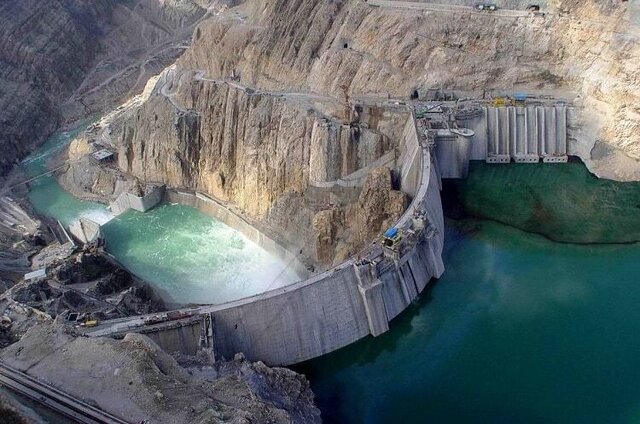
According to the Sedaye Sama news outlet: At a time when climate change, declining water resources, and the imbalance between electricity supply and demand have made the simultaneous management of water and energy resources one of the major challenges facing the power industry, hydropower plants remain an important source of electricity supply and grid stability. In addition to generating electricity, their controllability enables them to play an important role in frequency and voltage regulation and overall grid operation.
The controllability of hydropower plants has made them an important component of power-grid management. However, their operation is not limited to electricity generation; the supply and management of water for drinking and agriculture are also important constraints that must be considered simultaneously when planning hydropower operations. Therefore, optimizing hydropower capacity requires taking both issues into account.
According to experts, hydropower accounts for one-sixth of global electricity generation and ranks behind coal and natural gas in this regard. Its contribution to power generation is around 60 percent higher than that of nuclear power and higher than renewable energy sources as a whole.
In Iran, installed hydropower capacity exceeds 12,000 MW, and at one point this year, around 11,000 MW of electricity from these plants was supplied to the grid. This capacity becomes particularly important during periods of peak electricity demand, especially in summer, and as in previous years, hydropower plants are expected to provide part of the country’s electricity supply.
Planning for New Capacity
Alongside existing capacity, the development of new hydropower plants is also on the power industry’s agenda. According to Mohammad Elahdad, CEO of Tavanir, plans call for 65 MW of new hydropower capacity to become operational during the cold season of 2026, as well as an additional 270 MW by the 2027 peak-load period.
He identified accelerating and facilitating the implementation of hydropower projects—particularly Unit 1 of the Khoda-Afarin Hydropower Plant—as a key priority for the 2027 peak-load period. He stressed that priority projects must be expedited so that new capacity can be brought online as quickly as possible and used during the next peak-demand period.
Elahdad also emphasized the need to raise awareness about investment and financing models for hydropower projects, adding that adequate liquidity will continue to be injected into the sector in 2026, with a significant increase compared with the previous year, in order to sustain development projects and improve hydropower operations.
In this context, four units of the Chamshir Hydropower Plant, with a combined capacity of 120 MW, along with one generating unit at the Rudbar plant in Lorestan, were commissioned in the presence of Energy Minister Abbas Aliabadi and senior officials from the water and electricity sectors.
With the commissioning of these units, 120 MW of clean and renewable hydropower was added to Iran’s national electricity grid, representing a step toward expanding renewable energy, reducing dependence on fossil fuels, and strengthening grid stability.
Projects Under Construction and the Outlook Ahead
Currently, 4,100 MW of hydropower capacity is under construction in Iran at various stages of progress, while approximately 4,900 MW is at the study stage. Given the scale of projects under construction and study, financing remains a key issue for their continuation. Officials have emphasized that, with support from the Ministry of Energy, most of these projects should be revived and brought into implementation, with financing potentially enabling them to return to the execution stage.
Meanwhile, forecast rainfall for the coming autumn could allow greater use of hydropower capacity. Officials have expressed hope that increased rainfall during the autumn will provide an opportunity to make greater use of this capacity.
Overall, the development and support of hydropower plants remain an important part of the power industry’s plans, as hydropower facilities are an integral component of electricity-grid management. The development, support, and optimized operation of this capacity will therefore remain a major focus of the power industry and Tavanir.