

From Command and Control to Participation and Collaboration: The Path of Transformation in Policing
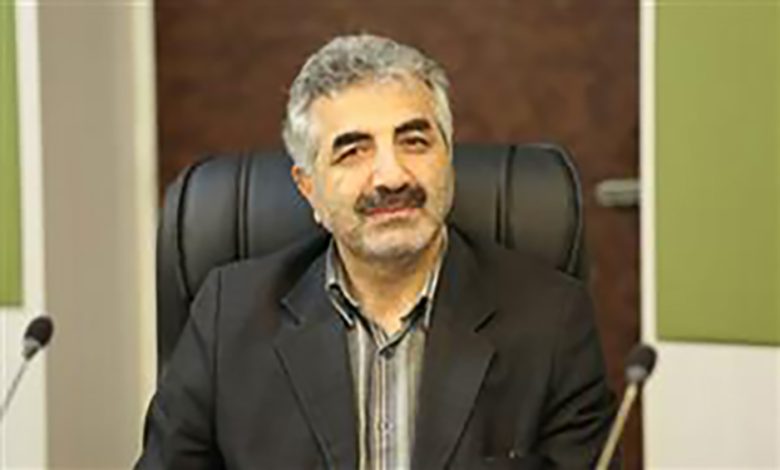
By Dr. Gholamhossein Biabani, Secretary of the Iranian Association of Detective Science and Innovation
In recent years, the number of police officers has declined in many countries compared with previous decades. This shift in the workforce highlights the need for more effective police workforce management than ever before.
However, leadership in policing is traditionally conceptualized within a strong culture of rank and centralized decision-making, commonly characterized by a command-and-control approach.
Harrington and Colvin explain that: “Leaders who can effectively operate in such organizations rely on the authority of their rank. This is made possible through direct compliance, supported by others’ respect for their position.” The growing complexity of policing and the financial pressures facing police organizations in many countries require the development of stronger leadership capabilities.
The complexities of the contemporary policing environment often lead police officers to revert to a directive style of leadership that prioritizes efficiency and effectiveness.
Furthermore, this research found that police leadership is largely exercised within risk-based frameworks. Understanding situations through the lens of risk creates tensions that must be addressed when developing the capabilities of future police leaders.
Traditionally, policing has been organized around bureaucratic, hierarchical, and risk-averse processes rather than encouraging risk-taking, innovation, and entrepreneurial leadership. While this study reports that task-oriented leadership tends to inhibit innovation, alternative leadership practices emerged in lower-risk, less visible environments.
These low-risk and psychologically safe spaces are essential for enabling officers to approach their work differently and to develop more relational, collaborative, and participatory leadership styles.
The value of such safe spaces in fostering the personal and relational dimensions of police leadership is confirmed by this study. Harrington and Colvin refer to the use of “creative experiments” within policing, while Smith proposes establishing designated areas within police stations where officers are empowered to work independently on improvement initiatives, thereby fostering an entrepreneurial culture.
Therefore, to build the leadership capacity of the future police force, this study emphasizes the importance of creating clearly defined safe spaces within police organizations to encourage creativity and innovation in leadership.