

From Artificial Intelligence to Carbon Tax: The Need for a Change in Iran’s Energy Policy Approach
The head of the Energy and Environment Commission of the Tehran Chamber of Commerce, emphasizing the need to review the country’s energy and environmental policies, said that the use of technologies such as artificial intelligence to optimize consumption, the development of renewable energy, and the use of tools such as carbon taxes can steer the country toward reducing energy consumption and greenhouse gas emissions.
✍️ Habibeh Rahimian, Journalist
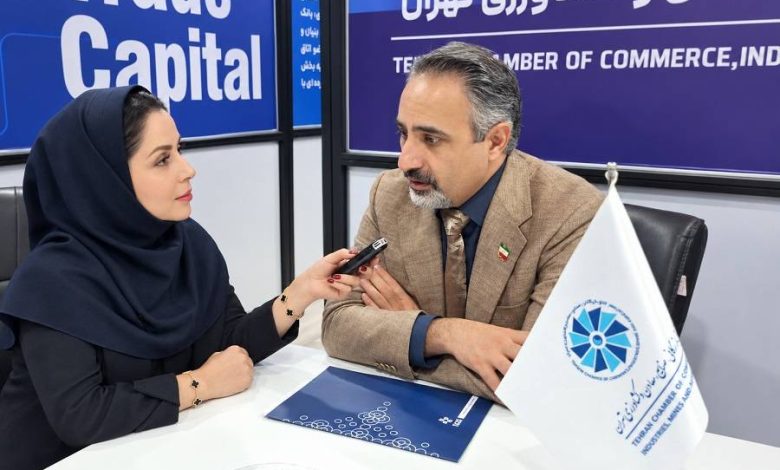
According to a report by the “Sedaye Sama” news agency, Saeed Tajik, head of the Energy and Environment Commission of the Tehran Chamber of Commerce, speaking on the sidelines of the ELECOMP exhibition, emphasized the need to use modern technologies to manage energy consumption and said: “The growth in energy consumption in the country is far greater than the growth in production. While a significant part of the country’s focus has been placed on increasing production, adequate measures have not been taken in the area of consumption optimization.”
He stated that energy intensity in Iran is very high and added that if modern technologies and solutions can be used to optimize energy consumption, this could create significant capacity for the country’s economy.
The head of the Energy and Environment Commission of the Tehran Chamber of Commerce added: “Reducing consumption does not mean cutting off electricity or imposing restrictions on consumers. Rather, we must move toward optimizing consumption and increasing energy efficiency; an issue that has become even more important given the current economic conditions and investment constraints on expanding production capacity.”
Artificial Intelligence: Energy Consumer or Energy Reducer?
Referring to the potential of artificial intelligence and the Internet of Things in managing energy consumption, Tajik said that artificial intelligence can be used in various sectors of the country’s industry and economy to identify consumption patterns, manage energy and increase efficiency.
According to him, the development of artificial intelligence and data centers requires electricity consumption, but the important issue is ultimately how much this technology can help reduce consumption in other sectors.
The expert continued: “We must pay attention to the net energy consumption balance in the field of artificial intelligence; that is, we need to examine how much energy is consumed to develop this technology and, in contrast, how much savings are generated through its applications in industries, buildings, the power grid and other sectors.”
He stressed that under the current trend in energy consumption, it is no longer possible to rely solely on expanding production capacity. Therefore, using technology, artificial intelligence and the Internet of Things to optimize energy consumption is not a choice but an unavoidable necessity.
The Need to Address the Environmental Consequences of War
The head of the Energy and Environment Commission of the Tehran Chamber of Commerce also referred to the environmental impacts of the recent war, saying: “The country was already facing challenges in the areas of the environment and greenhouse gas emissions before the war, but the recent war has had destructive effects on the environment and the country’s energy infrastructure.”
He added that, according to estimates presented by the Department of Environment, the recent war resulted in approximately five million tons of greenhouse gas emissions. Damage to part of the energy infrastructure has also placed greater pressure on the country’s fuel and energy supply.
Tajik continued: “A reduction in gas production capacity could, during the cold season, push the government toward greater use of liquid fuels and mazut to meet energy needs, which would result in increased pollution.”
Emphasizing the need to raise the environmental consequences of war in international forums, the head of the Energy and Environment Commission of the Tehran Chamber of Commerce said: “Just as various protocols and programs are defined for reducing greenhouse gas emissions under normal circumstances, the environmental impacts of wars must also be taken into consideration.”
Changing the Energy Mix: A Long-Term Necessity
He also emphasized the need to change the country’s energy mix, saying: “The development of renewable energy should be one of the main pillars of the country’s energy policy, while energy consumption optimization must also be seriously pursued.”
The head of the Energy and Environment Commission of the Tehran Chamber of Commerce added that around five thousand megawatts of renewable electricity generation capacity has currently been established in the country, but the majority of the country’s electricity is still generated by thermal power plants. Therefore, a long-term and sustainable plan must be developed for gradually changing this energy mix.
Referring to the growing attention to renewable energy in recent years, he said: “Although renewables have received more attention over the past four or five years, we should have planned for the development of this sector much earlier.”
Tajik continued: “In many cases, we moved toward renewable energy only when problems had reached crisis levels, whereas restrictions on the construction of thermal power plants, gas supply problems, an aging grid and high losses were all signs that had demonstrated the need for a change in direction years earlier.”
The head of the Energy and Environment Commission of the Tehran Chamber of Commerce noted that the pace of renewable energy growth in recent years has been significant, but this trend must continue for at least a 15-year period so that part of the gap created over previous years can be compensated for.
Carbon Policy Must Be Taken Seriously
He further referred to the need to use policy tools to reduce carbon emissions and said: “One measure that could have been implemented earlier in the country was imposing a carbon tax on goods and services that produce higher levels of carbon.”
Tajik added: “If policies such as a carbon tax had been implemented in the country before international restrictions were imposed, producers and economic actors would gradually have been guided toward reducing carbon emissions.”
The head of the Energy and Environment Commission of the Tehran Chamber of Commerce emphasized: “The government and regulator do not necessarily need to directly intervene in the process of reducing carbon emissions in industries. Rather, they should establish the necessary rules, incentives and requirements so that economic actors move toward reducing carbon emissions, optimizing energy consumption and using modern technologies.”