

Articles
The One-Trillion-Dollar Reparations Claim for the Imposed War: A Strategic Architecture for Comprehensive Iran-Iraq Cooperation
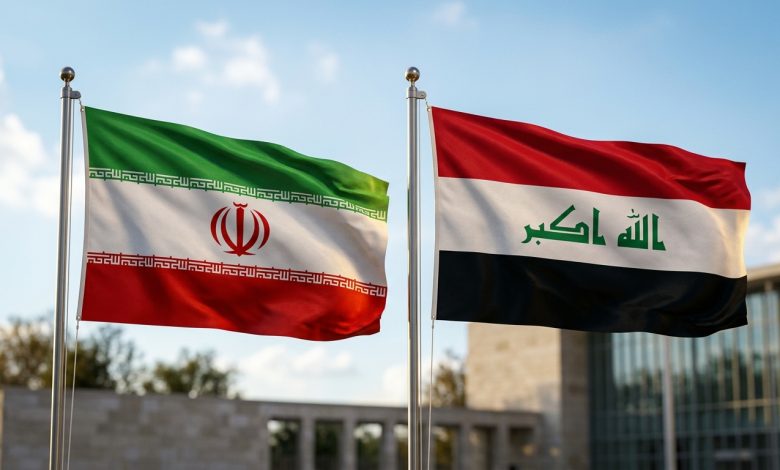
This text proposes transforming the issue of war reparations arising from the Iran-Iraq War from a historical and unresolved legal case into a lever for economic cooperation, infrastructure development, and strategic deterrence between the two countries.
- The author, citing UN Security Council Resolution 598 and the UN Secretary-General’s December 1991 report, identifies Iraq as the party that initiated the war and claims that Iran’s total direct and indirect damages were estimated at approximately one trillion US dollars.
- The main proposal is that, instead of demanding reparations as a lump-sum cash payment, the claimed credit and debt be utilized through long-term investment and strategic barter mechanisms in joint Iran-Iraq projects.
- The main proposed areas include:
- Energy: Power plants, electricity, gas, renewable energy, and joint energy storage facilities.
- Railways and Transit: Completion of the Shalamcheh–Basra, Khosravi–Baghdad, and Marivan–Sulaymaniyah–Erbil railway connections and linking them to regional transportation networks.
- Border Areas: Establishment of logistics villages, joint border markets, medical centers, and health-tourism facilities at six major border crossings.
- Oil and Gas: Development of shared oil and gas fields, refineries and petro-refineries, and the use of production shares as part of a compensation mechanism.
- Science and Technology: Joint universities and research institutes, technology transfer, and specialized human-resource development.
- Agriculture and Livestock: Extraterritorial farming in Iraq, production of animal feed, industrial livestock farming, and the establishment of a joint agricultural development fund.
- The text places particular emphasis on the participation of local communities and border residents, proposing the establishment of border-based foundations and cooperatives so that part of the benefits generated by these projects directly reaches local communities.
- From the author’s perspective, linking the economic interests of communities on both sides of the border can strengthen border security through economic interdependence.
- Within this framework, reparations are viewed not merely as a financial issue, but also as a negotiating instrument, a deterrence mechanism, and a potential foundation for pursuing other legal claims by Iran.
- Ultimately, the author calls for transforming the issue of reparations into a national and non-partisan demand. The central message of the proposal can be summarized as follows:
Instead of seeking reparations solely in the form of cash, the claimed right to compensation should be transformed into capital for building joint energy, transportation, trade, scientific, agricultural, and border-development corridors between Iran and Iraq.