

Why Romania Leads the EU in Interest Rates
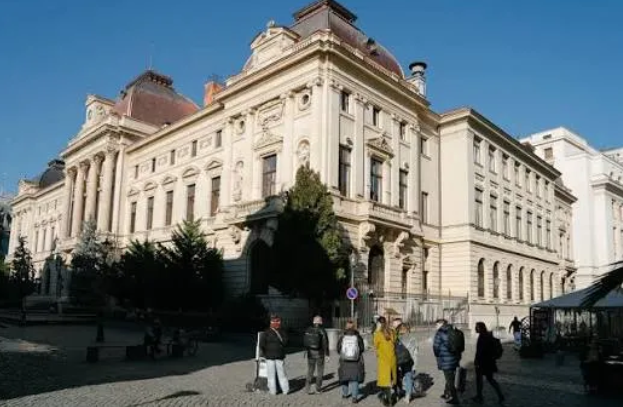
Romania’s economy is going through one of its most complex periods in recent years, marked by persistent inflation, weak economic growth, a high budget deficit and a fragile political environment. In these circumstances, the National Bank of Romania has decided to keep its benchmark interest rate at 6.5%, which, according to Bloomberg, remains the highest among European Union member states.
Although this decision means continued pressure on financing costs and investment, monetary policymakers consider it necessary to prevent a renewed wave of inflation.
Continued Tight Monetary Policy in Bucharest
The National Bank of Romania once again kept its policy rate unchanged at its latest meeting. The central bank has refrained from cutting interest rates for nearly two years, arguing that the decline in inflation has not yet become sufficiently entrenched.
According to official data from the National Bank of Romania, the policy rate remains at 6.50%, while the Lombard lending facility rate stands at 7.50%, indicating that monetary policy remains restrictive.
Economists believe the central bank is concerned that a premature rate cut could reignite inflation expectations and put additional pressure on the national currency, particularly as the European economy continues to face energy-market volatility and geopolitical tensions.
Inflation: Romania’s Unresolved Challenge
While many European economies have moved toward relative stability following the inflation shocks of recent years, Romania continues to face one of the highest inflation rates in the EU. The European Commission’s latest economic forecast estimates that Romania’s average harmonized inflation rate (HICP) will be around 7% in 2026.
The European Commission attributes persistent inflation to higher energy prices, declining household purchasing power and the slow adjustment of prices. The impact of the energy crisis in the Middle East and higher import costs has also placed additional pressure on the Romanian economy.
Eurostat has likewise reported that Romania recorded the highest annual inflation rate among EU member states in 2025, indicating that inflation is not merely a short-term fluctuation but has become a structural challenge.
Economic Growth Near Stagnation
While the central bank remains focused on containing inflation, official data point to a significant slowdown in economic activity. The European Commission forecasts real GDP growth of only 0.1% in Romania in 2026, effectively implying stagnation.
Weak domestic consumption, declining consumer confidence, weaker retail sales and falling industrial production are among the factors contributing to the slowdown. Under such conditions, maintaining high interest rates could put further pressure on the private sector, housing market and investment. Nevertheless, the central bank believes that cutting rates too quickly could create greater long-term costs for the economy.
Politics and the Economy: An Unresolved Knot
Political uncertainty has also become a key factor shaping Romania’s economic outlook. Bloomberg has reported that political disputes over government formation and economic reforms have delayed Romania’s access to billions of euros in EU funding.
These funds are crucial for infrastructure development, investment support and implementation of projects under the EU’s Recovery and Resilience Facility. The European Commission has warned that increased political instability could undermine investor confidence and complicate fiscal reforms.
Meanwhile, Romania’s government budget deficit remains high. Official forecasts suggest that the general government deficit will be around 6.2% of GDP in 2026, while public debt is also on an upward trajectory. This situation further limits the room for maneuver available to both monetary and fiscal policymakers.
The National Bank of Romania’s decision to keep interest rates at 6.5% should therefore be viewed against the backdrop of several simultaneous economic and political challenges. Inflation remains high, economic growth is close to stagnation, the budget deficit persists, and the political environment lacks sufficient stability.
Under these circumstances, cutting interest rates could do more than stimulate economic activity—it could also increase the risk of renewed inflation and financial instability.
For now, Romania’s central bank appears to have chosen to accept the cost of short-term economic stagnation rather than risk losing control over inflation. Unless clearer signs of sustained disinflation and political stability emerge, a change in the monetary-policy direction in Bucharest is likely to remain limited.