


Illegal Cryptocurrency Mining Accounts for Up to 30% of Iran’s Power Imbalance
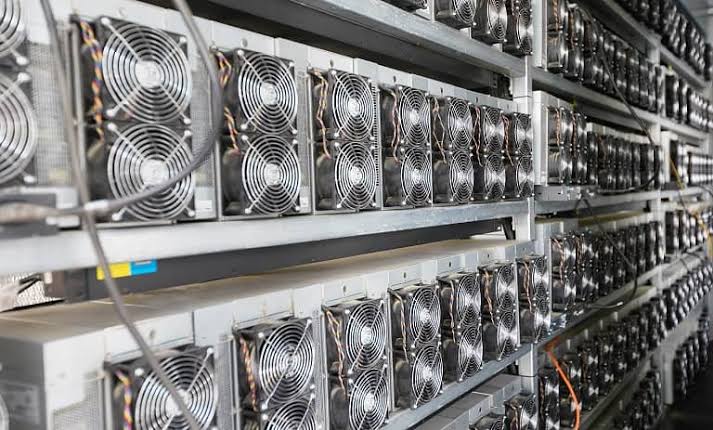
According to Sedaye Sama News, the head of the Cryptocurrency Mining Monitoring and Regulation Office at Iran’s Power Generation, Transmission and Distribution Company (Tavanir) stated that illegal cryptocurrency mining consumes more than 2,000 megawatts of electricity, accounting for 20% to 30% of the country’s electricity imbalance.
Hadi Sefidmo said that cryptocurrency mining became widespread in Iran in 2019, although limited activity had existed before then. Since that time, the phenomenon has expanded significantly.
He added that more than 290,000 illegal mining machines have been seized since 2019, including over 9,000 devices confiscated since the beginning of the current Iranian year (1405).
According to Sefidmo, the provinces with the highest concentration of illegal mining are Khuzestan, Tehran, East Azerbaijan, Khorasan Razavi, and Hormozgan. Factors contributing to this include easier cross-border smuggling of mining equipment, stronger electricity distribution networks, and fewer power outages in some regions.
He explained that over 90% of illegal mining operations obtain electricity through unauthorized means, including illegal connections, meter tampering, bypassing electricity meters, and direct theft from the power grid. In contrast, legally licensed mining accounts for only a small share of electricity consumption.
Sefidmo noted that mining machines operate continuously throughout the year, with little seasonal variation in electricity consumption. However, additional cooling systems required during summer increase overall power demand.
He stressed that combating illegal mining requires coordinated action by multiple agencies, including customs authorities, law enforcement, security agencies, the Ministry of Industry, Mine and Trade, the Anti-Smuggling Headquarters, and the judiciary. He emphasized that stronger legal penalties are needed, as current punishments have not been sufficiently effective in deterring repeat offenders.