

Minister of Defense: We have domestically produced 582 types of equipment over the past year
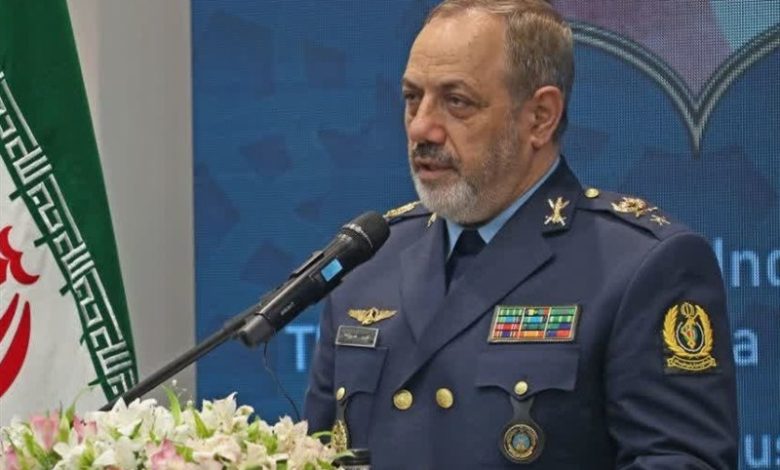
According to the Sedaye Sama News Agency, Amir Aziz Nasirzadeh, Iran’s Minister of Defense and Armed Forces Logistics, announced today during a parliamentary session reviewing the government’s performance in implementing the Seventh Development Plan that the country’s defense capacity has significantly increased. He reported the localization of 582 defense-related items and the creation of 93,000 direct and indirect jobs, contributing to both the nation’s defense and economic strength.
Nasirzadeh stated that since the 12-day imposed war, Iran’s defense capabilities—both quantitatively and qualitatively—have reached a desirable level, which he described as “a source of pride and satisfaction for the Iranian people.”
He added that under Chapter 22, Article 102(b) of the plan, the Ministry of Defense has fostered synergy with the private sector and non-governmental organizations. A special headquarters and related regulations were launched in February, and a Defense Partnerships Center was established within the ministry.
He also announced the organization of exhibitions and specialized think-tank panels, noting that 36 projects had been identified—15 projects progressing between 70% and 800%, 5 projects around 70%, and 16 still under feasibility study.
Among the key projects, Nasirzadeh cited microelectronics, line connectors, and electronic voting systems, developed in collaboration with the private sector.
The Minister noted that 8,237 companies are currently cooperating with the ministry, including 1,454 knowledge-based firms and 6,783 private enterprises, with a total financial volume of 119 trillion tomans, half of which involves knowledge-based companies. These collaborations, he said, have created 93,000 jobs.
Discussing technological achievements, Nasirzadeh listed production of oil and gas equipment, high-speed and fire-resistant vessels, gas odorizing materials, passenger aircraft, marine platforms, smart water and electricity meters, and 8,000-ton steel ingots among the accomplishments.
He also highlighted the ministry’s involvement in agriculture and food industries, including industrial livestock, poultry, and aquaculture projects in Chabahar, emphasizing that 582 defense components and systems have been localized in cooperation with the private sector over the past year.
Regarding the aerospace sector, he said Iran has made significant advances in satellite manufacturing and launch vehicles, including the Chamran and Keyhan satellites and the Simorgh and Zoljanah launchers.
Nasirzadeh concluded by stressing the importance of continued financial and logistical support for the Basij and FARAJA (Law Enforcement Command), noting that while many assigned tasks have been completed, “greater backing is still required to ensure continued progress.”