


Historic Decline in Saudi Arabia’s Oil Exports
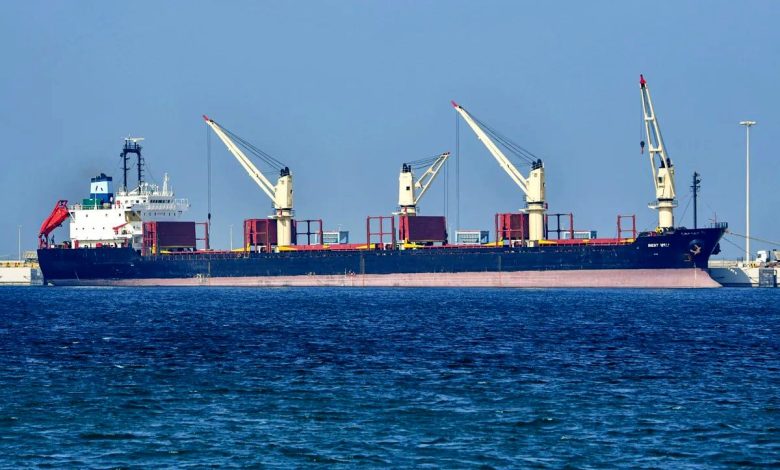
According to the Sedaye Sama news outlet, Saudi Arabia’s crude oil exports fell last month to their lowest level in at least nine years. The sharp decline occurred amid escalating tensions in the Middle East and attacks on oil tankers.
Vessel-tracking data compiled by reputable organizations including Bloomberg, Vortexa and Kpler shows that the country’s oil exports stood at only around 3 million barrels per day in August.
This figure, which is unprecedented since early 2017, is also consistent with estimates by oil-market traders and sources familiar with Saudi Arabia’s oil operations.
Saudi vessels have come under attacks by Ansar Allah in Yemen in the Red Sea, threatening the security of a route that Riyadh had used during the war to bypass the volatile waters of the Strait of Hormuz. This week, amid the latest round of tensions between the United States and Iran, two more oil tankers carrying Saudi crude were targeted in the strait.
The continuation of these attacks has caused serious concern among Saudi Arabia’s oil customers, and some are now reluctant to use the country’s ports along the Red Sea.
This situation has forced Riyadh to seek alternative routes through waters around the African continent. Rerouting the vessels adds thousands of miles to their journeys and further disrupts the global supply chain, which had already been under severe pressure due to six months of conflict in the region.
Shortly after the war began and the Strait of Hormuz was blocked, Saudi Arabia was able to quickly shift its oil exports to the Red Sea coast. The Strait of Hormuz is, in fact, the main gateway to Riyadh’s oil terminals in the Persian Gulf. Moving oil shipments through the alternative route played an important role in containing the surge in oil prices and prevented a sharp increase in inflation in the global economy. According to Bloomberg data, exports through the port of Yanbu on Saudi Arabia’s western coast rose from around 770,000 barrels per day in January to a significant 4.3 million barrels per day in June.
However, after the Houthis announced a naval blockade of Saudi vessels, the figure fell to 3.7 million barrels per day the following month and declined further to around 2.25 million barrels per day last month. At the same time, exports through the Persian Gulf, which had edged up in July to nearly 800,000 barrels per day, declined again in August.
Recent monthly figures are still preliminary and may be revised as more instances of dark shipping and related ship-to-ship transfers are identified.
The decline in exports represents a serious challenge for both the Saudi economy and global markets. Last month, there were signs of increased oil loading activity at the giant Ras Tanura terminal on the Persian Gulf coast, while satellite imagery showed four tankers gathered there for loading. This trend, together with the successful movement of the United Arab Emirates’ oil shipments through the Strait of Hormuz, was strengthening supplies from Iraq and Kuwait.
However, this week, following the U.S. attack on targets in Iran, tensions in the region escalated once again. These developments pushed the price of crude oil in the London market above $95 per barrel, its highest level since late July. The price surge has once again raised concerns over inflationary consequences and the possibility of higher interest rates in the global economy.
— Donya-e Eqtesad