

Iran’s Trade Promotion Organization: Mechanism for Rial-Based Trade with Neighboring Countries Under Development
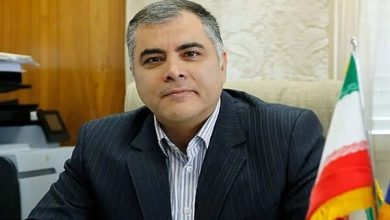
According to Seda-ye Sama News Agency, the Deputy for Commercial Services of Iran’s Trade Promotion Organization, referring to the country’s plans to expand trade with neighboring countries, said proposals have been put forward to establish a mechanism for rial-based trade with countries such as Iraq and Afghanistan, and the issue is currently being examined in cooperation with the banking system and currency exchange offices.
Mohammad-Sadegh Qanadzadeh said in an exclusive interview with IRNA’s economic correspondent on Wednesday that a significant share of Iran’s exports goes to countries such as Iraq and Afghanistan, and in some cases, traders from these countries obtain rials to purchase Iranian goods. Therefore, a specific procedure has been proposed for such transactions with neighboring countries.
He added that although exports must ultimately generate foreign currency, mechanisms are being developed with the assistance of banks and currency exchange offices to address existing challenges and facilitate trade with neighboring countries. The necessary proposals have also been submitted to the Central Bank. The final procedure has not yet been implemented by the Central Bank and remains under review.
Qanadzadeh noted that, as part of the government’s plan to expand trade with neighboring and like-minded countries, tailored programs have been developed for different countries based on their conditions and capacities. These programs cover trade, transportation, financial and banking systems, payment methods, and alternative trade mechanisms.
He said these programs are being pursued on a country-by-country basis through working groups, joint committees, joint commissions, and exchanges of business delegations, with the aim of resolving existing obstacles to the expansion of trade relations.
Referring to recent consultations with Pakistan, the official said this process has recently been pursued with Pakistan and that negotiations and necessary measures will subsequently be carried out with Iraq, Türkiye, Afghanistan, and other target countries.
Trade Decline After the War Was Inevitable
Assessing Iran’s foreign trade situation following the recent war, Qanadzadeh said it was natural for the country’s trade to decline after the war, with much of the decrease being unavoidable due to increased risks in the international environment, particularly in maritime transportation and logistics.
He added that a significant portion of Iran’s trade is conducted by sea, and tensions and reduced movement of the transportation fleet affected part of the country’s trade.
Qanadzadeh said the government, particularly in the area of imports, prioritized essential goods, critical commodities, and raw materials required for production in order to manage the situation and ensure that the decline in trade would primarily affect categories of goods whose disruption would not cause serious damage to the economy.
He emphasized that although the overall volume and value of imports and exports declined, efforts were made to minimize the impact on essential goods and production raw materials, preventing serious disruptions in meeting vital needs and maintaining the operation of production units.
— IRNA