


New UK Prime Minister Takes Office Amid Deep Cost-of-Living Crisis
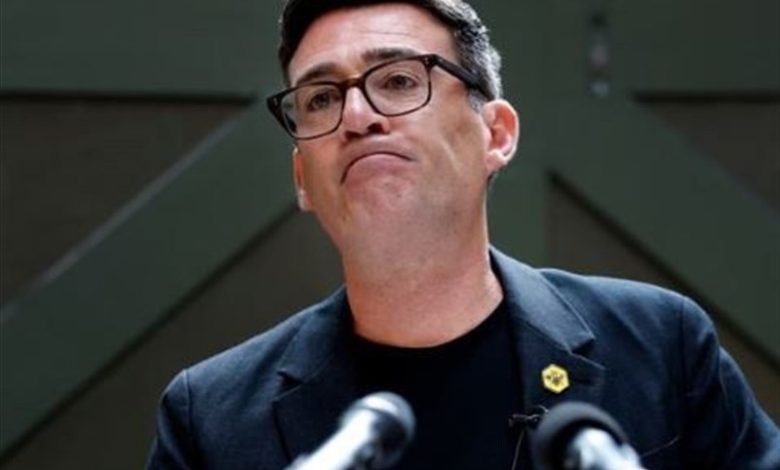
According to Sedaye Sama News, citing Bloomberg, Britain’s middle class is showing growing signs of financial strain as the country’s new Prime Minister, Andy Burnham, considers a package of measures aimed at easing the rising cost of living.
Official data show that since 2021, the share of middle-income households failing to meet automatic bank payments has doubled. More families are also falling behind on gym membership fees and loan repayments.
At the same time, personal bankruptcies have reached their highest level since the aftermath of the global financial crisis, while the number of households in arrears on energy bills has exceeded one million.
Burnham, who officially takes office today, is under pressure from the Labour Party’s left wing to expand support for households beyond the targeted measures introduced by the previous government.
The Trades Union Congress (TUC) warned on Friday, following Burnham’s confirmation as Labour leader, that his government must “move quickly from day one and maintain a relentless focus on improving living standards for working people.”
The former Mayor of Manchester has pledged to introduce a 10-year plan to reduce the cost of essential goods and services and provide Britons with “breathing space as soon as possible.”
Labour currently trails both Nigel Farage’s populist Reform UK party and the Conservative Party among middle-class voters.
British households have endured years of inflation, rising unemployment, and sharply higher interest rates after a prolonged period of ultra-low borrowing costs.
The conflict in the Middle East has become the latest driver of inflation in the UK, as the collapse of the ceasefire between the United States and Iran has heightened market concerns. This has delayed the Bank of England’s plans to cut interest rates and ease pressure on households.
Peter Tutton, Director of Policy, Research and Public Affairs at the debt advice charity StepChange, said that although inflation and interest rates have stabilized somewhat, five years of rising prices have severely affected households across all income levels.
He added that demand for the charity’s debt advice services has increased by 13% compared with last year, reflecting growing concerns over further price shocks linked to tensions in the Middle East.
According to the UK Office for National Statistics (ONS), middle-income households are prioritizing mortgage payments over other bills.
The overall rate of failed direct debit payments among one-fifth of middle-income households has risen from 0.8% in early 2021 to more than 2% in June this year.
The failure rate has climbed to 3.7% for loan repayments and 3.3% for gym memberships, while the rate for mortgage payments has increased only slightly to 0.5%.
In another sign of mounting financial pressure, the three-month average number of personal insolvencies has reached its highest level since early 2010. Meanwhile, a recent Bank of England survey found that defaults on credit card debt and other unsecured loans reached their highest level since the global financial crisis.